Cart
0
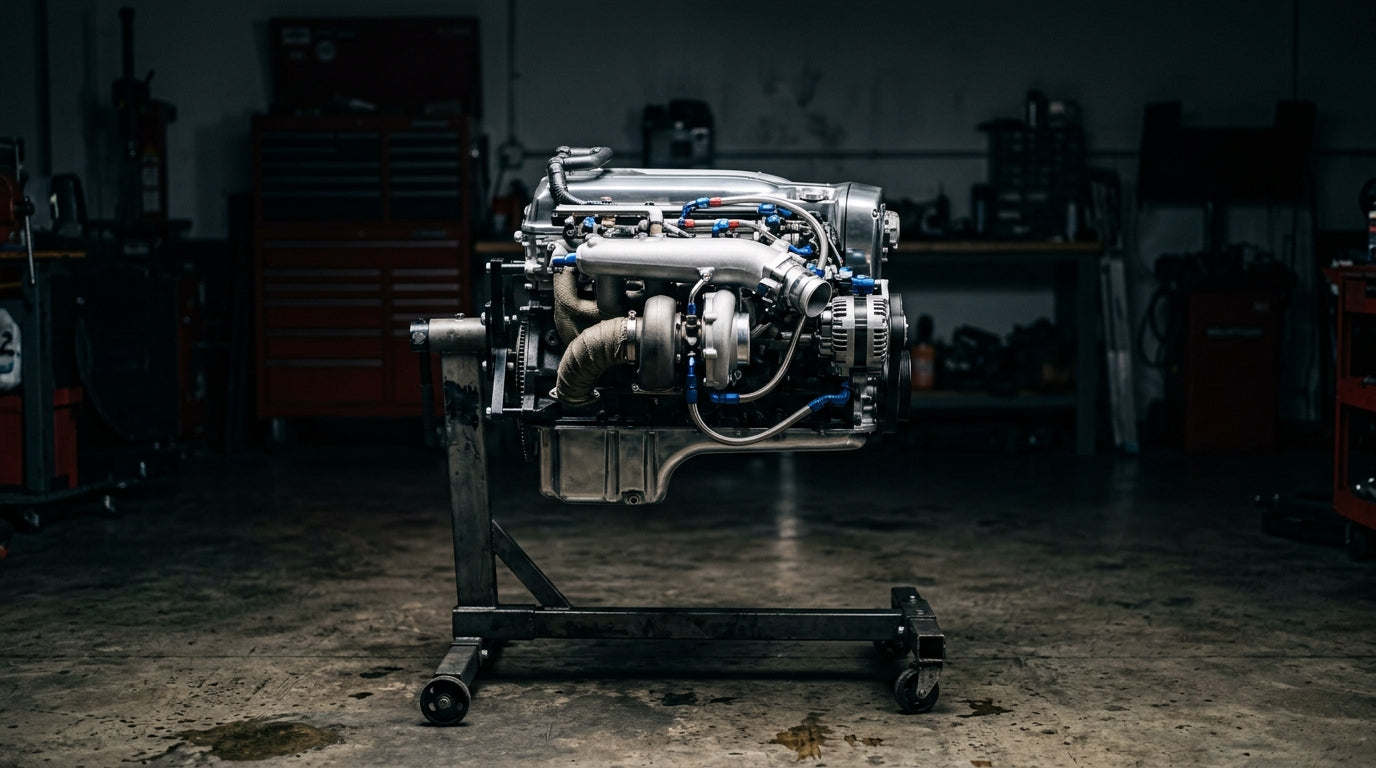
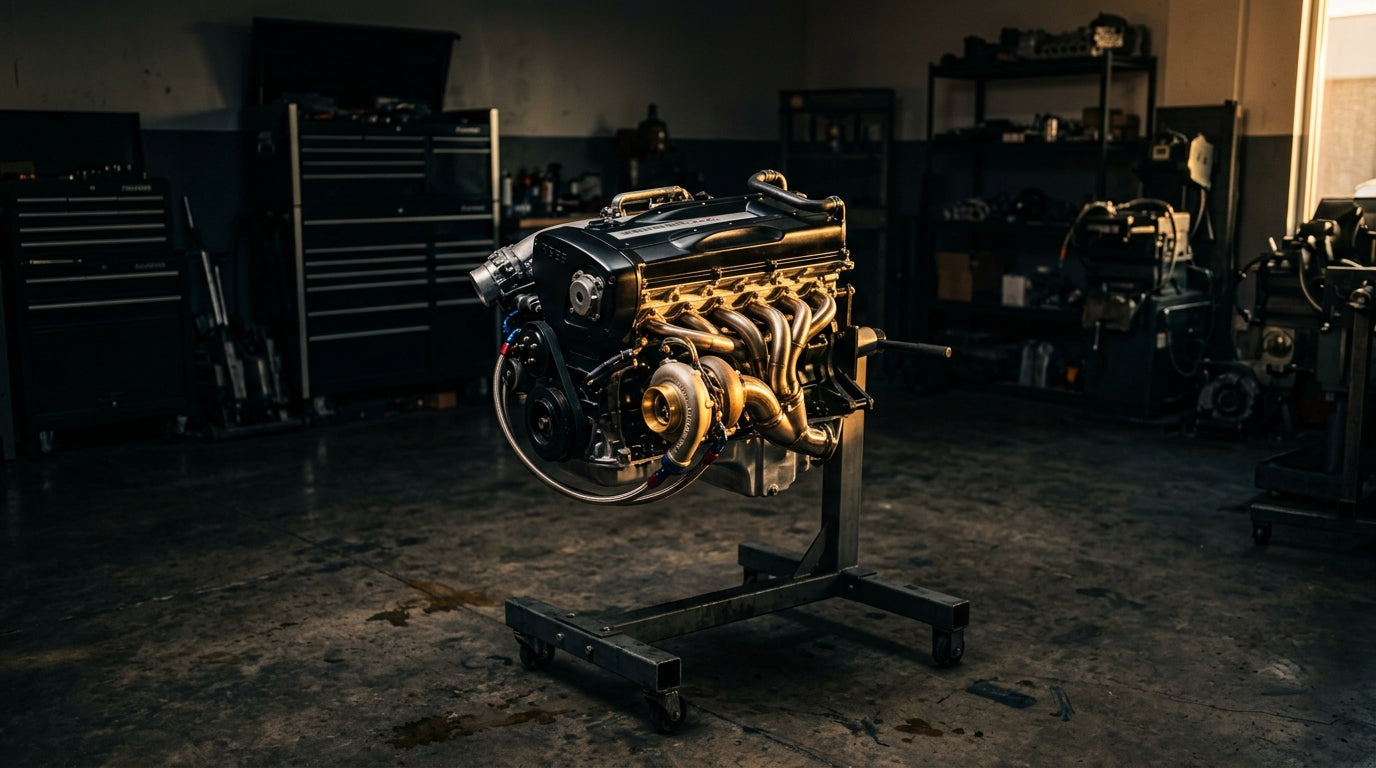
The claim that JDM engines are reliable is repeated often enough in enthusiast forums that it has become received wisdom. The reality is more nuanced — JDM engines can be extremely reliable, but that reliability depends on the engine family, the individual unit's condition, the quality of the sourcing process, and how the engine is installed and maintained. This post breaks down each factor honestly.
Browse our current inventory: JDM engines in stock →
Why JDM engines have a reliability reputation
The reliability reputation for JDM imports is grounded in a few real structural advantages:
- Lower mileage: Japan's vehicle inspection system (shaken) makes it economically impractical to keep high-mileage vehicles on the road. Most JDM engines are exported while they're still in the low-to-mid mileage range relative to their potential lifespan. See how long JDM engines realistically last for lifespan data by engine family.
- Highway-vs-city mileage quality: Japan's densely populated urban environment means many JDM engines accumulate miles in stop-and-go traffic rather than highway cruising — which is arguably harder on the engine per mile but also means the engines were never pushed hard at sustained high speeds.
- Japanese OEM quality: Honda, Toyota, Subaru, Nissan, and Mazda have strong manufacturing quality reputations, particularly for engines produced in Japan for the domestic market.
What actually determines reliability on a specific unit
These structural advantages matter, but they're averages. For any individual engine:
| Factor | What it means for reliability |
|---|---|
| Mileage documentation | Documented mileage from export records > undocumented verbal claims |
| Engine family | Some engines have known issues regardless of mileage (EJ head gaskets, VQ oil consumption) |
| Seller sourcing process | Does the seller inspect units, or pass through whatever arrives from the importer? |
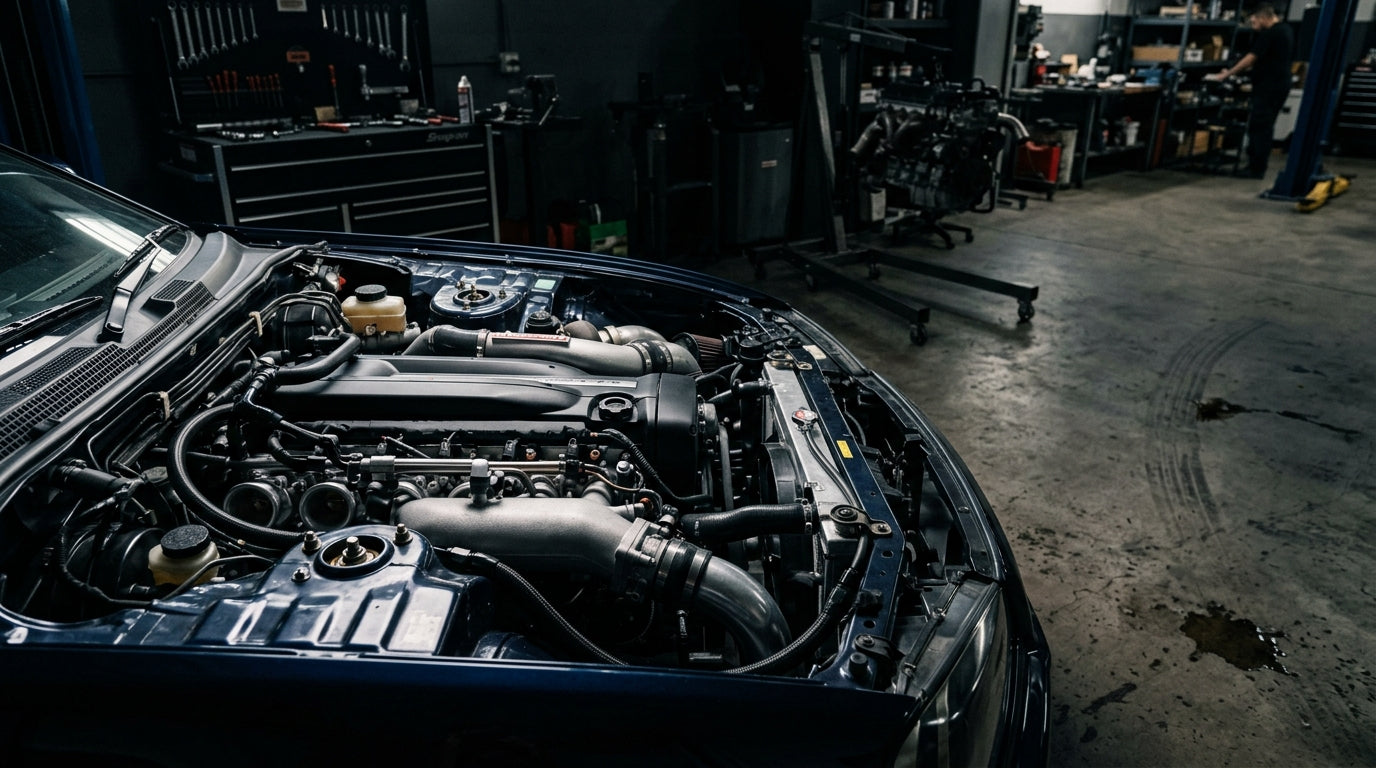
| Installation quality | Incorrect installation (wrong torque, air in the cooling system) can cause early failures unrelated to the engine itself — follow the installation checklist |
| Post-install maintenance | Regular oil changes, correct oil weight, coolant maintenance determine long-term reliability as much as the engine itself |
The most reliable JDM engines in our experience
Engines with the longest documented trouble-free service records in the JDM import market tend to be mainstream V6 and naturally aspirated four-cylinders. See our full reliability ranking for a numbered breakdown with longevity data by engine family:
- Toyota 2GR-FE (3.5L V6): extensive production run, broad application across multiple platforms, strong long-term reliability record
- Nissan VQ35DE: one of the most commonly sold JDM engines in the U.S. market; reliability record is well-documented across 350Z, G35, and Altima applications
- Honda K24A: the 2.4L K-series is among the more durable Honda four-cylinders with a long production run and broad parts availability
- Toyota 1MZ-FE: the 3.0L V6 in Camry, ES300, and Sienna has a very strong reliability track record for mainstream replacement use
Engines with known issues to understand before buying
Certain engine families have documented patterns that buyers should understand before purchasing. For a complete breakdown by engine family, see our common JDM engine problems guide:
- Subaru EJ25D (naturally aspirated, older generation): prone to head gasket failures; well-documented and manageable with the right preventive measures, but worth knowing
- Early VQ35DE: some later-mileage units show elevated oil consumption; the HR revision addressed this
- Honda J-series: some model years show oil consumption at higher mileage; not universal but worth checking service records
Frequently asked questions
Are JDM engines more reliable than rebuilt domestic engines?
That depends heavily on who did the rebuild and what was replaced. A factory-fresh rebuild with new rings, bearings, and valve seals done by a reputable shop is a different thing than a "rebuilt" engine that had the cylinder head cleaned and was called rebuilt. A low-mileage JDM engine with documented miles from a reputable importer offers original factory tolerances and no unknowns about the rebuild quality. The comparison isn't JDM vs rebuilt universally; it's specific unit vs specific unit.
How do I know if the mileage claim on a JDM engine is accurate?
Ask whether the seller documents mileage from the original export records, not just verbal attestation from a middleman. At JDM New York, our units are hand-selected from Japan with documented mileage from the source. See our buying guide for what to look for.
Does the warranty tell me anything about reliability?
A warranty is a signal of seller confidence in their sourcing process. A seller willing to back their engines with a written warranty is staking something on the quality of their units. Always confirm the warranty terms in writing before purchasing — see our warranty guide for what to look for.
What should I do after installation to protect long-term reliability?
Follow a proper break-in procedure for the first 500–1,000 miles, including an early oil change at 500 miles to flush break-in debris. Use the correct oil weight for your engine family and don't skip the pre-startup checks in our installation checklist. These steps are the single biggest controllable factor in long-term engine reliability.
What questions should I ask a JDM engine seller before buying?
Confirm the documented mileage source, ask what the warranty covers in writing, verify whether professional installation is required to keep the warranty valid, and ask about the engine family's known issues. Our 10 questions to ask before buying a JDM engine walks through every important point.
Shop reliable JDM engines
Browse Toyota engines, VQ35DE, K24A, all Honda engines, and the full JDM engine inventory.