Cart
0
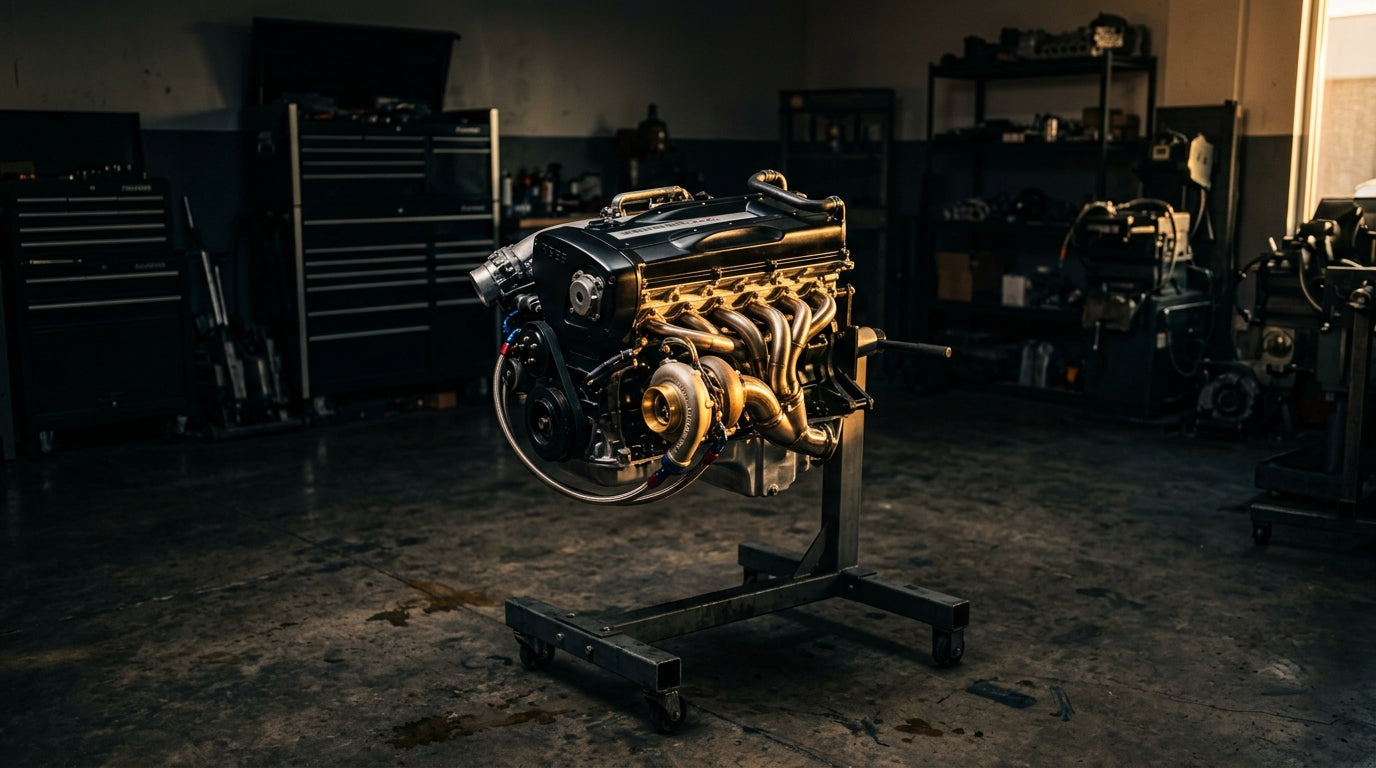
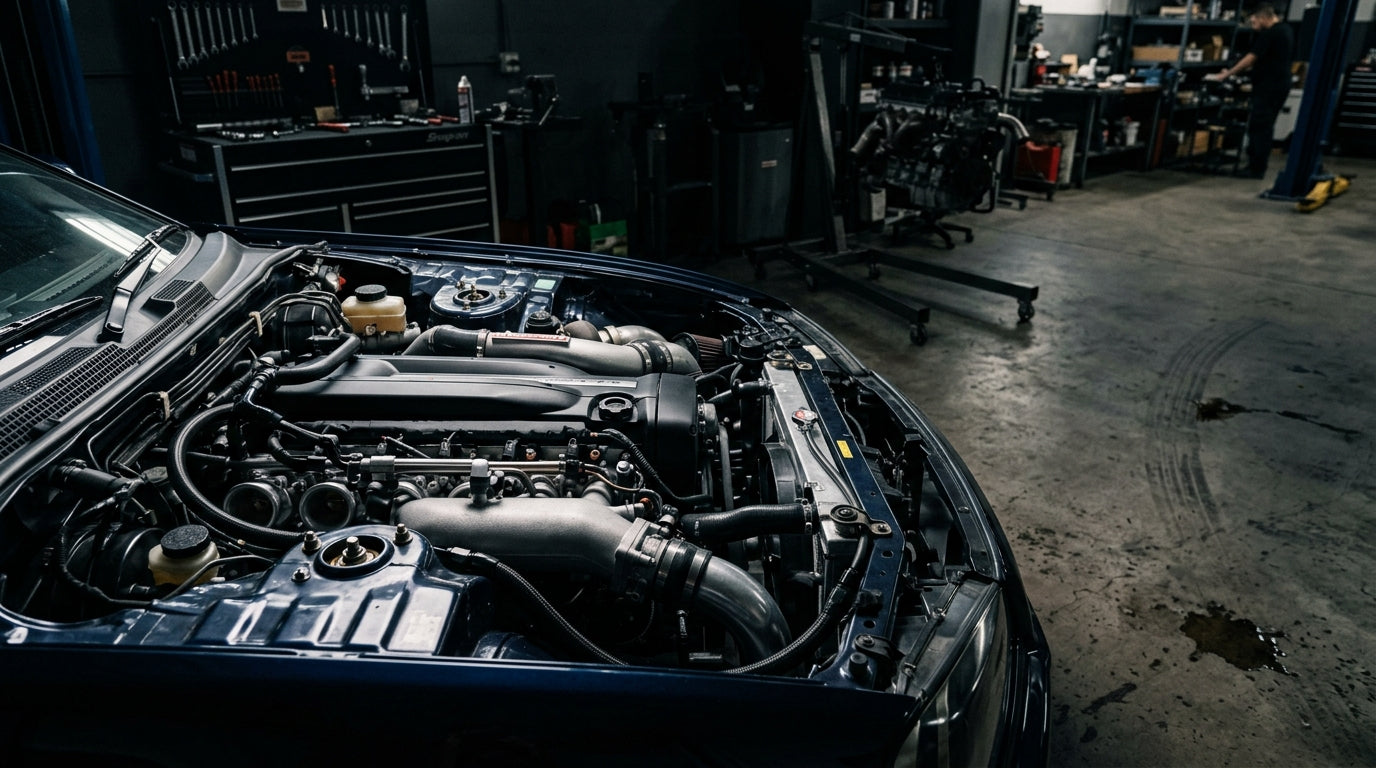
The JDM engine market has been growing for decades, and the case for imported Japanese engines isn't just marketing — it's grounded in a specific structural advantage that the Japanese domestic market creates. But "JDM" is also a label that's sometimes used more loosely than it should be, and not every situation where someone considers a JDM engine is the right fit for one. This guide gives you a clear-eyed answer to whether a JDM engine is worth it for your specific situation.
Browse our current inventory: JDM engines in stock →
When a JDM engine makes the most sense
Your engine failed and the repair cost approaches or exceeds the car's value
This is the core JDM value proposition for non-performance buyers. If your Camry's 2GR-FE is done and a new engine would otherwise require a crate or a high-dollar rebuild, a JDM 2GR-FE with documented low mileage and a warranty can be significantly less expensive — and arrives with more remaining service life than a high-mileage domestic replacement. For Toyota, Honda, Nissan, and Subaru applications specifically, the JDM replacement market is deep, well-priced, and well-supported. See how long JDM engines realistically last for lifespan expectations by engine family.
You're swapping a JDM-only performance engine
Engines like the SR20DET (JDM 180SX/Silvia), the K20A (JDM Civic Type R), and the EJ207 (JDM STI) were never officially sold in the U.S. in a car. The only way to get these engines is through the JDM import market. For S-chassis 240SX builds, Civic K-swaps with genuine Type R spec, and other JDM-specific swaps, there is no domestic alternative — the JDM import market is the market. Before committing to a code, review our engine fitment guide to understand which swaps require modification — consult a certified mechanic to confirm fitment for your specific vehicle.
The JDM version of your engine is better than the USDM version
In some cases, the JDM variant of an engine that was sold in both markets carries meaningfully different specifications: higher compression, different cam profiles, or different factory output. The JDM K20A vs USDM K20A2 is the clearest example — same family, genuinely different engine. See our JDM vs USDM guide for the full comparison.
When a JDM engine is not necessarily the right choice
You can find a quality domestic replacement at a comparable price
For some applications, domestic inventory (from a local wrecking yard or a well-reputed domestic rebuilder) is competitive with the JDM option on both price and documented condition. This is less common than it used to be as domestic vehicles age and high-quality low-mileage used engines become scarcer, but it does happen. Compare total cost (engine + shipping + any adaptation work) honestly.
The swap requires significant modification that erases the cost advantage
For cross-platform swaps where the engine requires custom fabrication, expensive ECU work, or major electrical changes, the total project cost can make a high-quality domestic alternative or a purpose-built approach more practical. Evaluate the total cost of the swap, not just the engine price. Reading about common JDM engine problems by engine family upfront helps you factor in ongoing maintenance costs specific to a given code.
The honest value calculation
| Situation | JDM engine verdict |
|---|---|
| Failed engine in an otherwise good car | Strong case; compare to rebuild cost |
| JDM-only performance engine you can't get elsewhere | Clear case; no domestic alternative exists |
| JDM variant with better specs than USDM equivalent | Yes, if the spec difference matters to your build |
| Cross-platform swap requiring major ECU/fabrication work | Evaluate total project cost honestly |
Frequently asked questions
Is a JDM engine better than a rebuilt domestic engine?
That depends on what "rebuilt" means for the specific unit. A factory-quality rebuild with new rings, bearings, and valve seals from a reputable rebuilder is starting with fresh internal wear components — a different proposition than a JDM import with original factory internals at low documented mileage. Neither is universally better; the right comparison is the specific JDM unit vs. the specific rebuild offer, not JDM vs. rebuilt as categories.
Are JDM engines legal to use in the U.S.?
For off-road and competition use, JDM engine swaps raise no issues. For on-road use, the relevant regulations depend on your state — many states have specific rules about engine swaps as they relate to emissions certification. California's CARB regulations are the most restrictive; other states vary. Check your state's DMV or emissions authority before doing a swap that changes the vehicle's emissions configuration. This is a compliance question for your jurisdiction, not a product quality question.
What's the minimum I should spend to get a quality JDM engine?
For mainstream replacement engines (VQ35DE, K24A, 2GR-FE, J35A, 1MZ-FE), quality low-mileage units are available in the $750–$1,500 range from our current inventory. Performance-oriented or JDM-specific engines (SR20DET, K20A, EJ257) command higher prices reflecting demand and scarcity. Extremely cheap JDM engine offers should be scrutinized — the market price exists for a reason. See our cost guide.
What questions should I ask before buying a JDM engine?
Ask about the documented mileage source, what the warranty specifically covers, whether professional installation is required to maintain coverage, and what the return process looks like if there's a problem. Our 10 questions to ask before buying covers every point worth confirming before you commit.
Do I need a break-in period after installing a JDM engine?
Yes. Even though a JDM engine has already been broken in from factory use, reinstalling it into a new chassis creates new seating conditions for oil rings and bearing surfaces. Following a proper break-in procedure for the first 500–1,000 miles protects your investment and establishes good long-term oil consumption patterns.
Shop by application
Browse the full JDM engine inventory. Shop by make: Toyota, Honda, Subaru, Nissan, Infiniti. See also: complete buying guide, reliability guide.