Cart
0
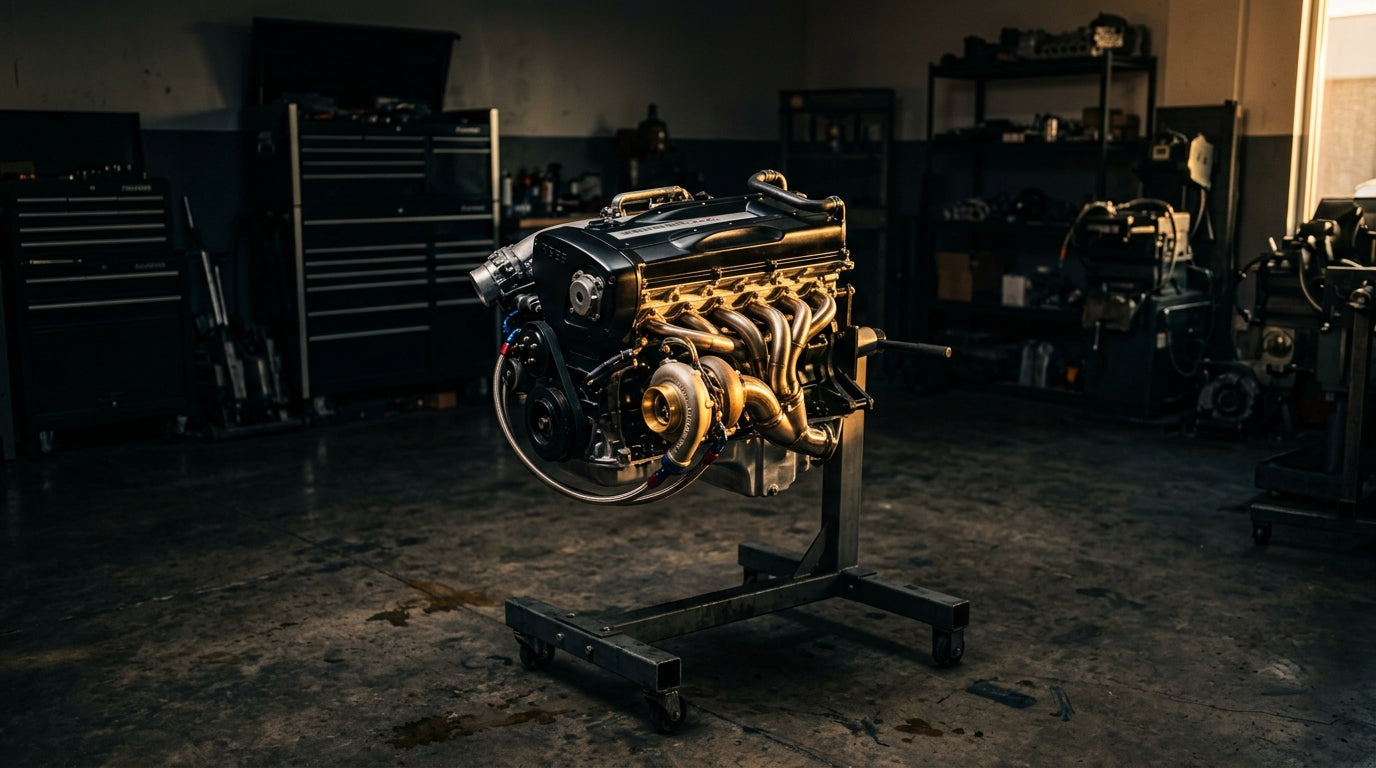
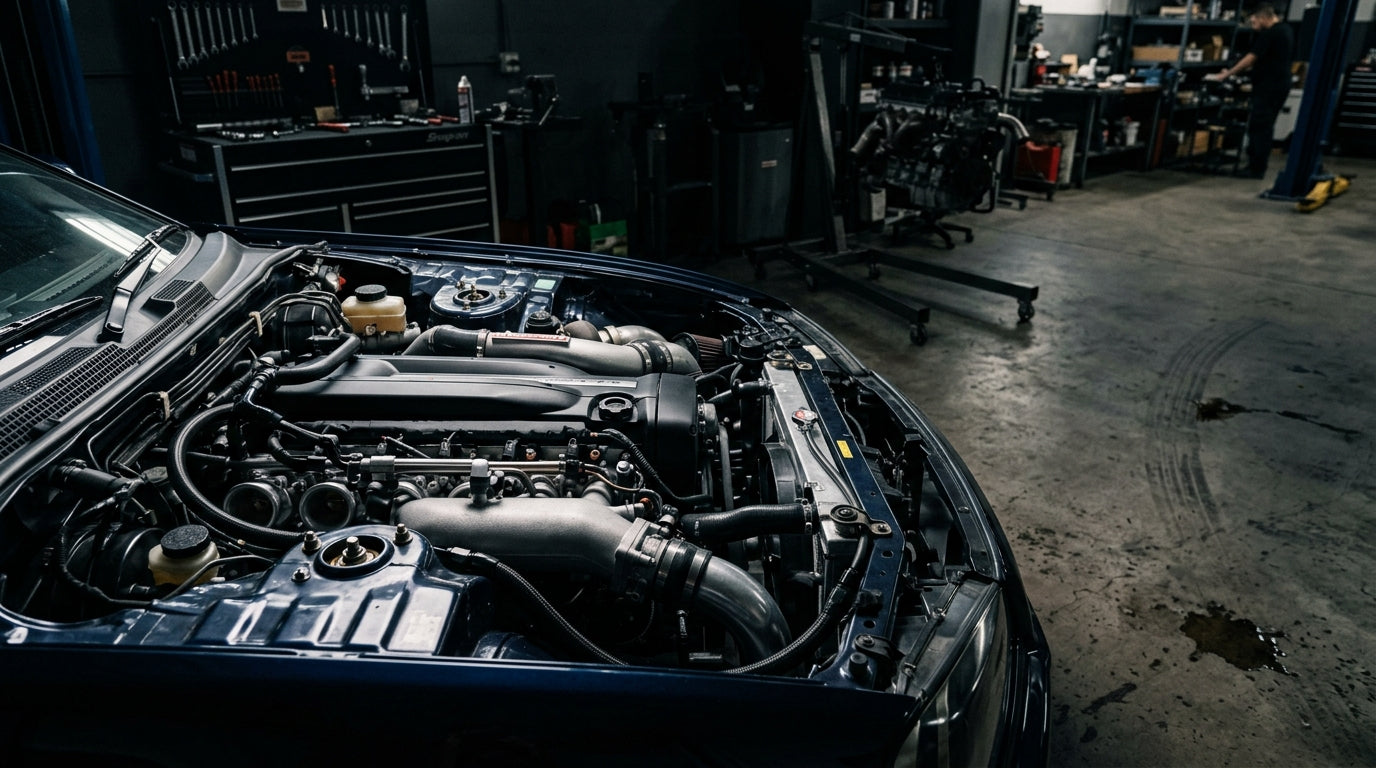
Installing a JDM engine correctly is half the job. The break-in period — the first 500–1,000 miles after the engine goes live — is when the internal components seat against each other for the first time. How you drive during this period affects long-term oil consumption, ring seal quality, and bearing wear patterns. This guide explains what to do and what to avoid.
Browse our JDM engine inventory
Browse our JDM engine inventory →
Why break-in matters for a used JDM engine
A JDM engine has already gone through its initial break-in from the factory and accumulated some miles in a donor vehicle. That means the rings, bearings, and cam lobes are already worn-in from their original break-in — but they've also adapted to the specific wear patterns and tolerances of the old engine's environment. When you install the engine in a new vehicle with a different exhaust, intake, ECU calibration, and accessory loading, you're introducing variables that the engine hasn't seen before. A conservative break-in period lets everything re-seat under your specific conditions.
The first startup: what to do
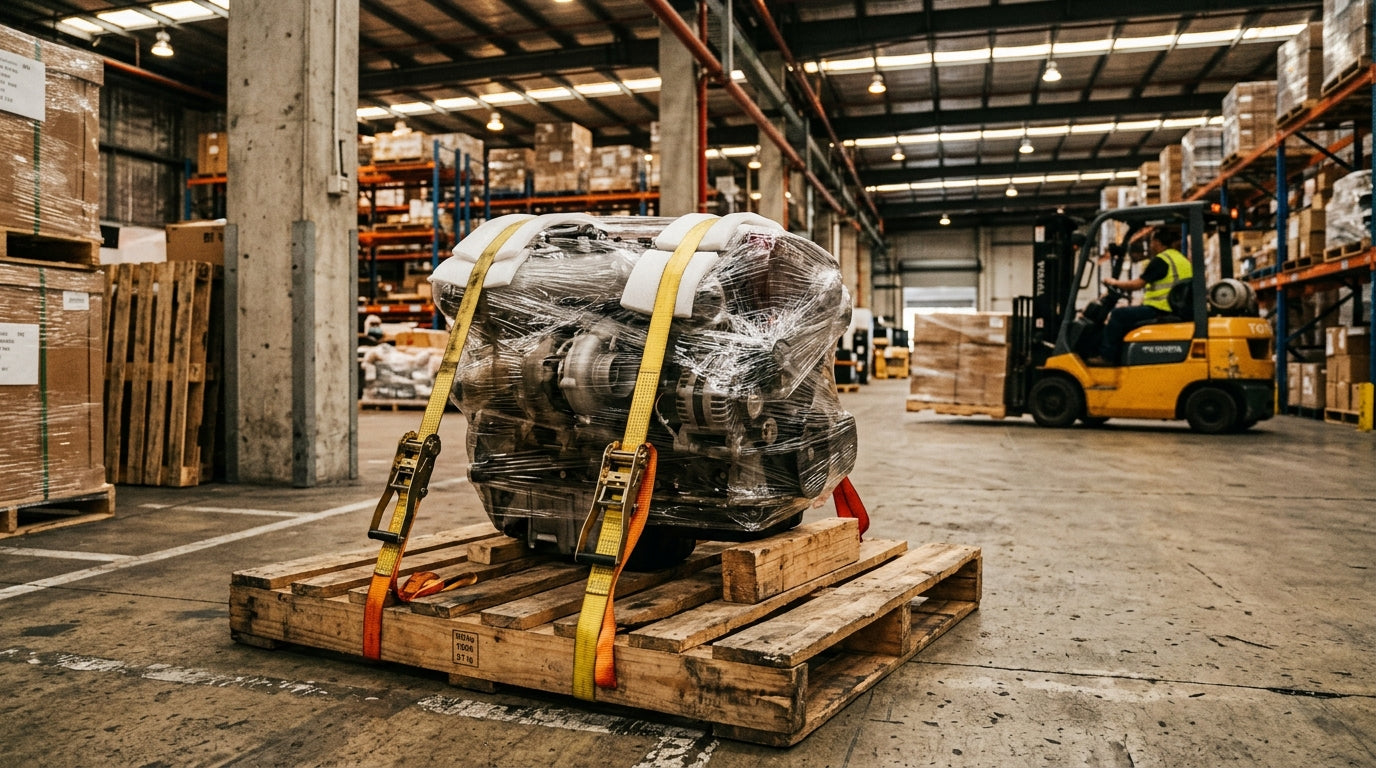
Before reaching this step, confirm your engine arrived undamaged — our shipping guide covers exactly what to inspect at delivery. If you’re still choosing an engine, the engine cost guide has current pricing across all major engine families.
Before reaching this step, confirm your engine arrived undamaged — our shipping guide covers exactly what to inspect at delivery. If you’re still choosing an engine, the engine cost guide has current pricing across all major engine families.
- Pre-lube the oil system. Before the first crank, pull the fuel pump relay (or disable the ignition) and crank the engine for 5–10 seconds to build oil pressure without combustion. Repeat 2–3 times. This lubricates the bearings before the first fire.
- Check for leaks immediately. The moment the engine starts, watch for oil, coolant, or fuel leaks. Have a fire extinguisher accessible. Don't leave the car unattended on the first startup.
- Warm up slowly. Let the engine reach operating temperature at idle before driving. Watch the temperature gauge carefully during the first warmup — coolant system air pockets from the fresh install can cause localized overheating.
- Check oil level after the first heat cycle. The oil level may drop slightly as it fills passages and the filter. Top up if needed. Check again at 100 miles.
First 500 miles: driving protocol
| What to do | What to avoid |
|---|---|
| Vary engine speed and load | Extended highway cruising at constant RPM |
| Light to moderate acceleration | Full-throttle pulls (especially under 3,000 RPM) |
| Engine braking (useful for ring seating) | Lugging the engine at low RPM under high load |
| Monitoring oil temp and water temp | Track use, dyno pulls, or hard launches |
The goal is load variety — not babying the engine at low RPM constantly, which actually inhibits ring seating. Brief moderate acceleration followed by engine braking helps the rings mate to the cylinder walls more thoroughly than constant low-load driving.
First oil change: at 500 miles
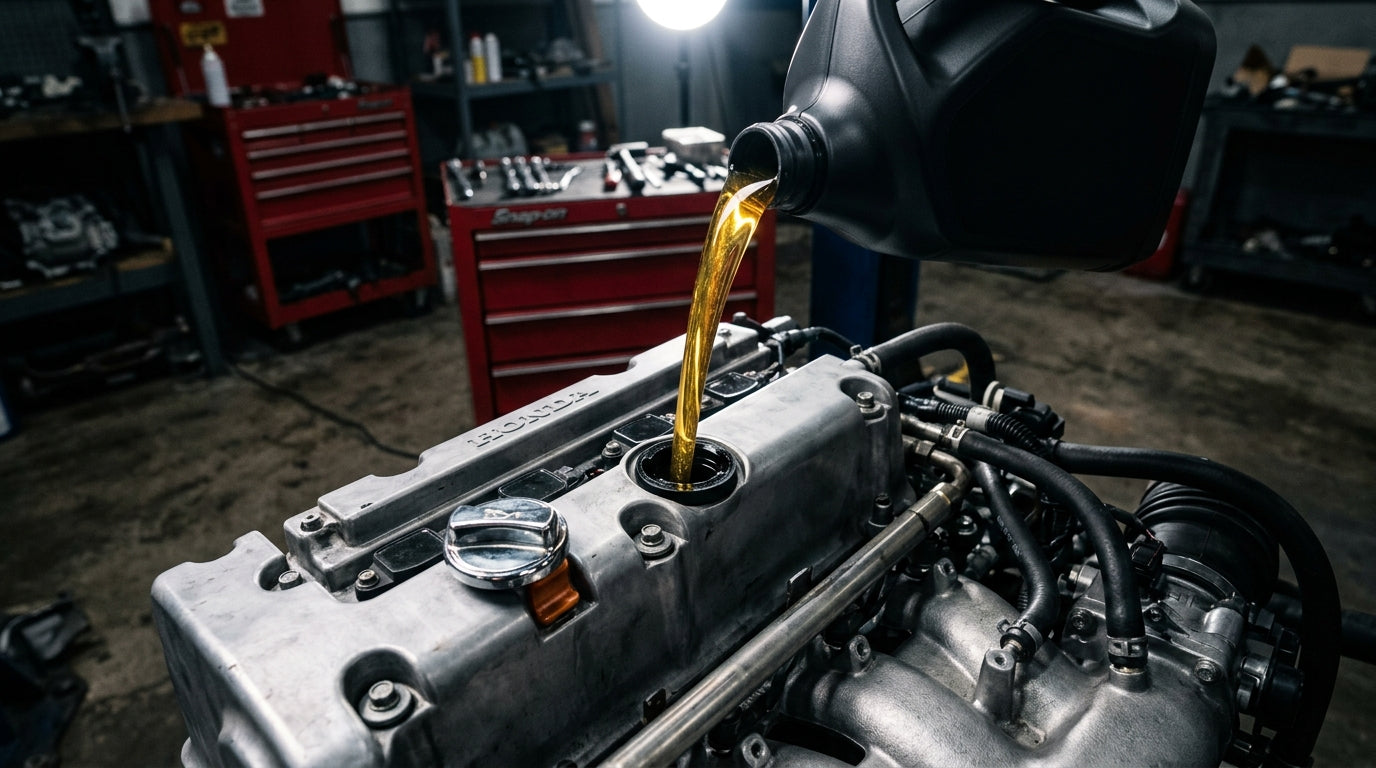
This is the most important maintenance step in the break-in period. The break-in oil carries fine metallic particles shed during the initial seating process. Getting those particles out of the system at 500 miles protects bearings and reduces abrasive wear during the rest of the engine's life. Use the oil weight specified for your engine. After this first change, follow your normal oil change interval. Keep your receipts — documented maintenance is relevant if you need to use your engine warranty.
500–1,000 miles: gradual return to normal driving
Between 500 and 1,000 miles, you can progressively increase load and RPM. By 1,000 miles, the engine is ready for normal driving including spirited use. For engine-family-specific reliability expectations, see our most reliable JDM engines guide. For engine-family-specific reliability expectations, see our most reliable JDM engines guide. For forced-induction engines (WRX, STI, SR20DET, SR20DET, etc.): limit boost levels during the first 500 miles if possible, then bring them up progressively.
Frequently asked questions
Do I need to use break-in oil or a specific oil type?
Some builders prefer conventional (non-synthetic) oil for the break-in period on the theory that it allows more ring seating friction. Others use full synthetic from day one. The most important factor is changing that first oil at 500 miles. Consult your engine's factory specifications and your mechanic for the specific recommendation on your engine.
Should I run the engine at high RPM during break-in to seat the rings faster?
Brief moderate-to-high RPM use under load (engine braking included) is helpful, but sustained redline pulls before the engine has warmed up and cycled through the first 100+ miles are not. The goal is progressive loading, not avoiding all load.
What if the engine runs rough or develops a tick in the first 100 miles?
A light valve train tick during initial warmup can be normal as the oil system fills — it should clear within a few minutes at operating temperature. A persistent knock or tick after warmup, or a rough-running condition that doesn't resolve, warrants investigation before driving further. Catch issues early rather than waiting for them to get worse.
Does the break-in procedure change for a turbocharged JDM engine?
Yes. For turbocharged engines (EJ255, EJ257, SR20DET, 4B11, and others), limit boost pressure to minimum levels during the first 500 miles. Running full boost before the engine is fully broken in puts excessive cylinder pressure on rings and bearings that haven’t fully seated yet. Let the engine warm up completely before applying any boost, and avoid extended high-boost pulls until after the 500-mile oil change. See our turbo build guide for platform-specific recommendations.
Does the break-in procedure change for a turbocharged JDM engine?
Yes. For turbocharged engines (EJ255, EJ257, SR20DET, 4B11, and others), limit boost pressure to minimum levels during the first 500 miles. Running full boost before the engine is fully broken in puts excessive cylinder pressure on rings and bearings that haven’t fully seated yet. Let the engine warm up completely before applying any boost, and avoid extended high-boost pulls until after the 500-mile oil change. See our turbo build guide for platform-specific recommendations.
See more installation guides
Swap parts list • Fitment guide • Installation checklist • Shipping guide • Warranty guide • Browse engines in stock