Cart
0
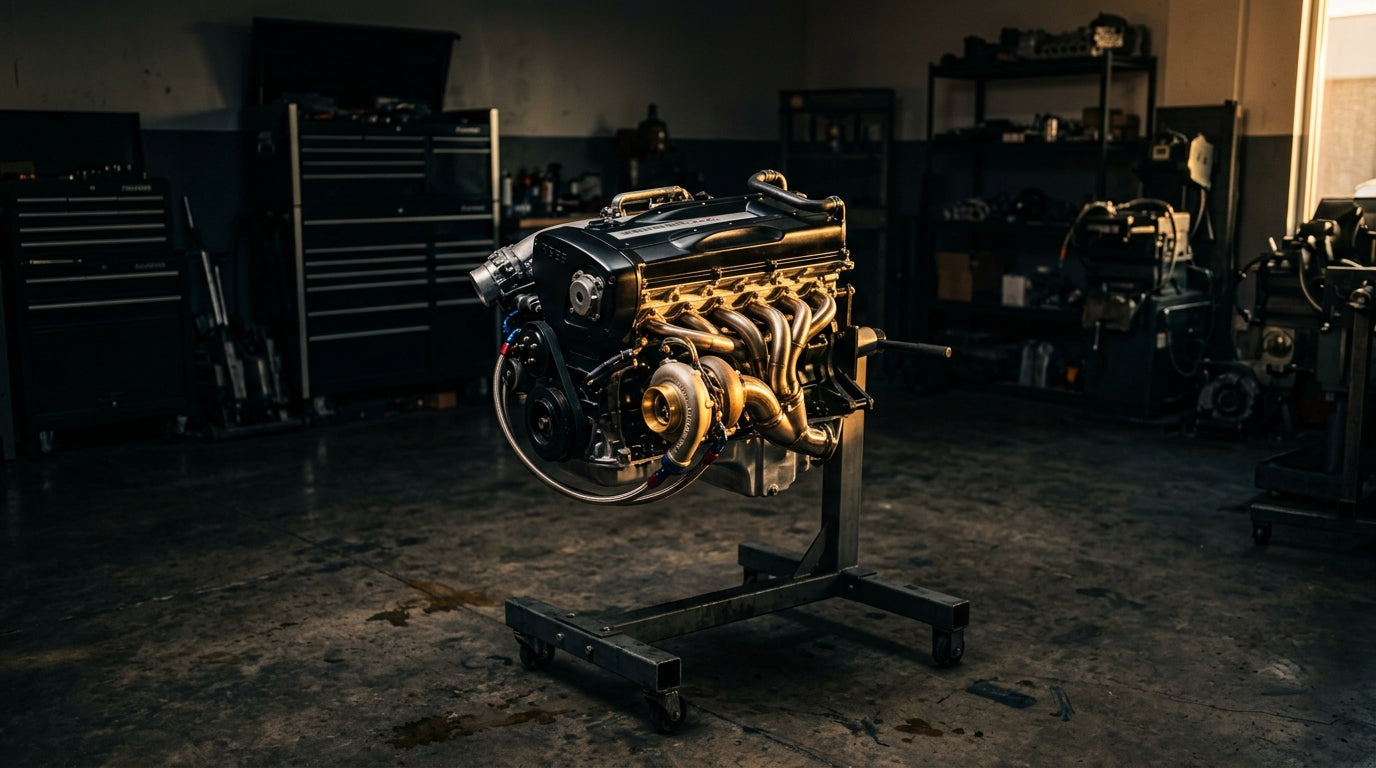
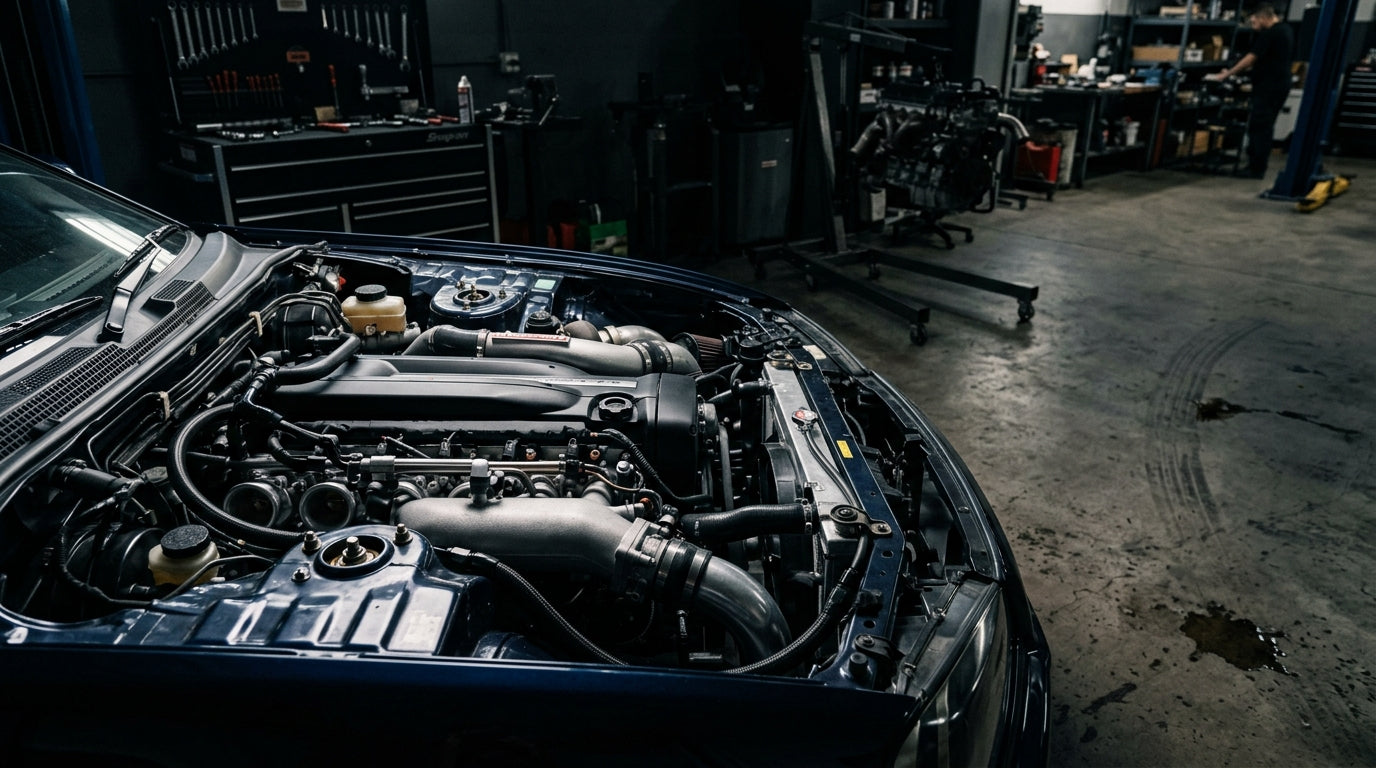
Every engine family has documented patterns — issues that appear consistently enough across enough units to be considered characteristic of that design. Knowing these in advance helps you maintain your JDM engine correctly, catch early warning signs, and avoid the most common causes of failure. This is not an argument against buying these engines; it's the information you need to own them intelligently.
Browse our current inventory: JDM engines in stock →
For a reliability ranking of which engine families have the fewest and least severe issues, see our 8 most reliable JDM engines guide.
Subaru EJ-series: head gaskets and oil consumption
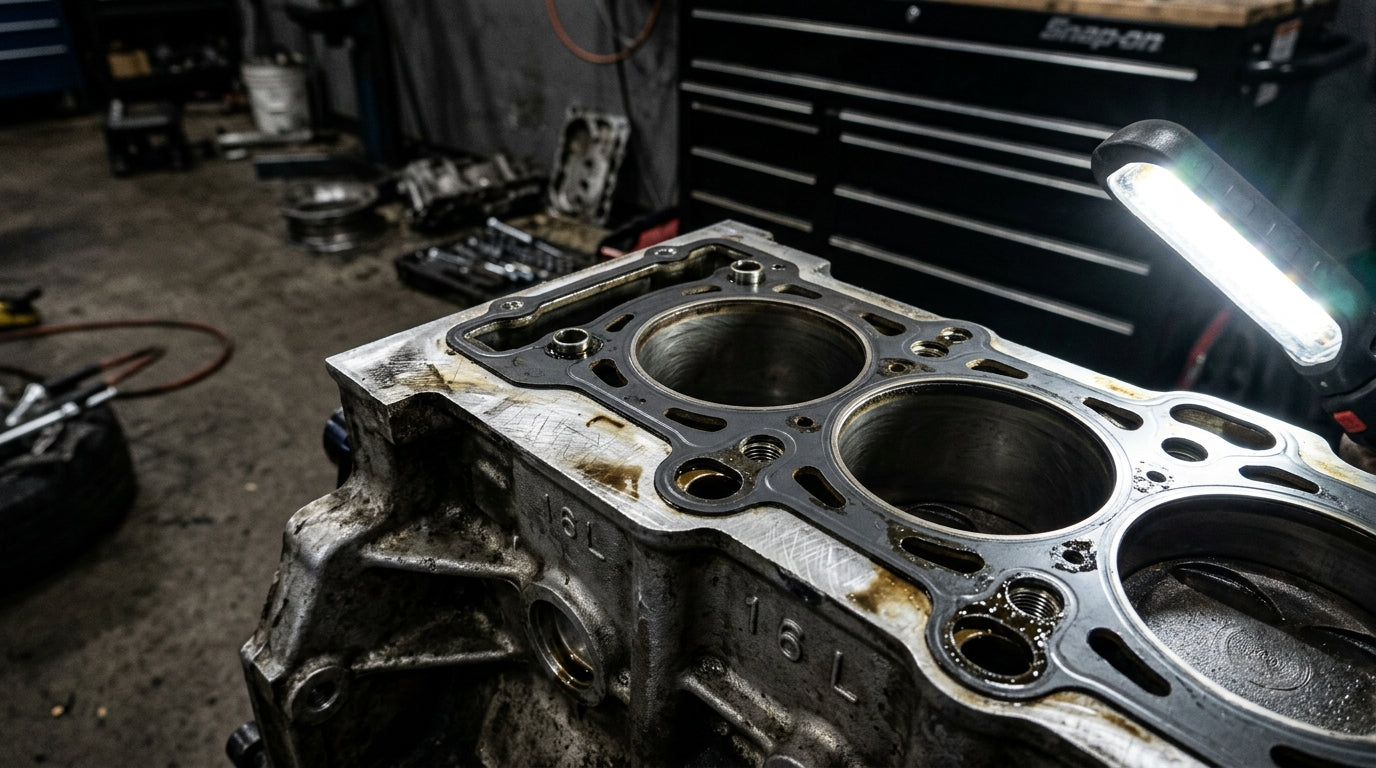
The EJ-series (EJ20, EJ25, EJ205, EJ255) has a well-documented head gasket issue, particularly in the naturally aspirated EJ25D (Phase I, 1996–1999) but present to varying degrees across the EJ family. The cause is a combination of the multi-layer steel head gasket design and Subaru's boxer layout, which creates specific thermal stress patterns.
What to watch for:
- Coolant loss without visible external leaks
- White exhaust smoke on a warmed-up engine
- Oil and coolant cross-contamination (milky oil)
- Running rough or overheating
Preventive approach: use a high-quality coolant conditioner (Subaru EK-style coolant system additives are common), maintain the cooling system meticulously, and don't push a warming EJ hard in cold weather. The turbocharged EJ255 and EJ257 have different gasket specs than the naturally aspirated variants and are generally better in this respect. See our full EJ family guide.
Honda K-series: oil starvation at track corners
The K-series (K20, K24) is a durable and reliable engine for street use. In high-performance and track applications, the factory oil pan baffling can allow oil starvation under sustained high-G cornering — an issue well-documented in time-attack and track-day applications of the K-series. This is not relevant for street driving.
Street-relevant K-series considerations:
- The K20A (Type R) runs a higher compression ratio than the K20A2; it's more sensitive to fuel quality and knock conditions. Confirm the exact code you're buying — see our engine codes guide for how to read JDM codes correctly.
- VTEC solenoid failure is occasional at high mileage; symptoms are a loss of the VTEC engagement at the crossover RPM
- Valve train tick on cold starts is normal until oil reaches the cam area; sustained tick after warmup warrants investigation
Nissan VQ35DE: oil consumption and IACV
The VQ35DE is one of the most reliable engines in the JDM market with a multi-decade track record, but it has a few known patterns:
- Oil consumption: some DE units (particularly higher-mileage examples) show elevated oil consumption. Monitor your oil level between changes; a quart every 3,000 miles or more is outside normal range and warrants investigation.
- IACV (idle air control valve): the VQ35DE's IACV is known to carbon up over time, causing rough idle or hunt. Periodic cleaning prevents this from becoming a bigger issue.
- Timing chain tensioner: at very high mileage some VQ35DE units show timing chain rattle on cold start. Address early if you hear it; a stretched chain at high mileage can require significant repair.
Toyota 2GR-FE: oil consumption and VVT-i sprocket
The 2GR-FE is among the most reliable engines in this list, but it's not without known patterns:
- Oil consumption: some 2GR-FE units (particularly 2006–2011 production) experienced elevated oil consumption. Toyota extended warranty coverage on some affected vehicles. Confirmed service campaigns were completed on most affected units before they entered the import market, but monitor oil levels.
- VVT-i oil control valve: the cam timing oil control valves can carbon up over time, causing VVT-i codes or rough running at cold start. Cleaning the OCV strainer is part of the recommended maintenance on higher-mileage 2GR units.
Nissan SR20DET: crankshaft and high-boost management
The SR20DET is a capable and responsive engine but has specific vulnerabilities at high power levels:
- The crankshaft is a known weak point in very high-power SR20 builds (500+ hp territory); at street power levels this is not a concern
- Oil cooling is critical; SR20DET engines run hot under sustained boost and benefit from an oil cooler in track or performance applications
- Valve train wear accelerates if oil changes are neglected; this is true of any high-revving engine but more pronounced here
Frequently asked questions
Do all EJ Subaru engines have head gasket problems?
The head gasket sensitivity varies significantly by variant. The naturally aspirated EJ25D (Phase I) is the most affected. The turbocharged EJ255 uses a different gasket design and has a better track record. The EJ257 (STI) is generally considered robust in this respect at stock power levels. See our EJ engine family guide for the full breakdown.
How do I know if a JDM engine already has problems before I install it?
A visual inspection of the engine on arrival can reveal obvious signs — sludged oil, coolant deposits on the block, cracked hoses. Before the first start, check the oil for signs of coolant contamination (milky or foamy). Listen for unusual ticks or knocks on the first startup. Most installation-related issues manifest in the first 100 miles; engine-specific issues often take longer to appear. Follow our installation checklist to catch problems before they become expensive.
Can I prevent these issues rather than react to them?
Yes — the best prevention for most of these issues is correct installation, a clean cooling system, proper break-in, and consistent maintenance. The head gasket issue on EJ engines is significantly reduced with proper coolant maintenance and avoiding overheating. The VQ35DE oil consumption is managed by monitoring oil levels and catching it early. See our break-in guide and lifespan guide.
Does the engine code tell me which version I'm getting?
Yes — the suffix matters enormously for known-issue risk. An EJ257 (STI) has different gasket specs than an EJ25D; a VQ35HR is the revised version that addressed the DE's oil consumption pattern. Before purchasing, confirm the exact code you're buying. Our engine codes guide explains how to read JDM codes across Honda, Toyota, Nissan, and Subaru so you know exactly what you're getting.
What should I ask a seller about known issues before buying?
Ask directly whether the engine family has documented problems, what the seller's inspection process covers, and what the warranty protects against. Sellers who can't answer these questions aren't sourcing carefully enough. Our 10 pre-purchase questions gives you a complete checklist to run through.
Shop JDM engines
Browse EJ255, K20A, VQ35DE, 2GR-FE, and the full JDM engine inventory.