Cart
0
Why These Questions Matter More Than the Price
The single most costly mistake JDM engine buyers make is prioritizing the cheapest listing over verified documentation. A $200 difference in price can mean a $2,000 difference in total project cost if the engine code doesn't match your ECU, if accessories you assumed were included need to be sourced separately, or if documentation gaps leave you absorbing all the risk on arrival. These ten questions exist for one purpose: to separate sellers who know their inventory from sellers who don't. A confident, detailed answer to every one of them is the clearest signal you're dealing with a source worth trusting. If you want to understand why JDM engines are worth considering in the first place, start with our clear-eyed breakdown.
Ready to buy? Browse JDM New York's inventory — every engine comes with documented mileage, warranty coverage, and full support from our team.
1. Is This the Exact Engine Code My Car Needs?
Engine families share a name but rarely share a parts list. A VQ35DE and a VQ35HR are both 3.5-liter Nissan V6 engines — but they use different ECUs, different intake manifolds, different engine mounts, and produce meaningfully different power outputs. The same distinction applies between a 2JZ-GE and a 2JZ-GTE. A full engine code tells you the manufacturer prefix, displacement, camshaft configuration, fuel system type, and performance suffix. Understanding engine suffix codes matters because a one-letter difference can mean a completely different engine management system, compression ratio, and accessory layout. If a seller quotes you only the displacement or the engine family name, that is a red flag. Ask for the complete code and cross-reference it against your vehicle's OEM documentation before committing.
2. What's the Documented Mileage, and Where Does That Figure Come From?
Not all mileage claims are equal. The most reliable documentation comes from a Japanese auction sheet — a standardized report generated when a vehicle passes through one of Japan's major auction houses. Auction sheets include the odometer reading at time of sale, a JASPA grading score, and condition notes on the body, interior, and mechanical components. Japan's mandatory shaken inspection system requires vehicles to pass a rigorous government inspection every two years, which creates a domestic market that prioritizes low-mileage, well-maintained vehicles. Most quality JDM engines sourced directly from Japan carry between 40,000 and 70,000 miles as a result of this system. If a seller's mileage claim is odometer-based only and no auction sheet exists, ask why — and weigh that answer carefully against the asking price and any mileage documentation they can provide.
3. Should I Have My Mechanic Check Compression Before Installation?
Yes, always — and a reputable seller will encourage it. A pre-installation inspection by your own qualified mechanic is the standard due diligence for any used engine purchase, domestic or imported. Your mechanic can check compression and perform a leak-down test on arrival to establish a baseline before installation begins. What constitutes a healthy reading varies by engine family — a K-series Honda reads differently than a 2JZ Toyota — but your mechanic should know the spec range for your specific engine code. Idle quality and oil analysis can also reveal whether internal condition matches the documented mileage. Any seller who discourages independent inspection before installation is a seller worth reconsidering entirely.
4. Does the Engine Include Accessories, or Just the Long Block?
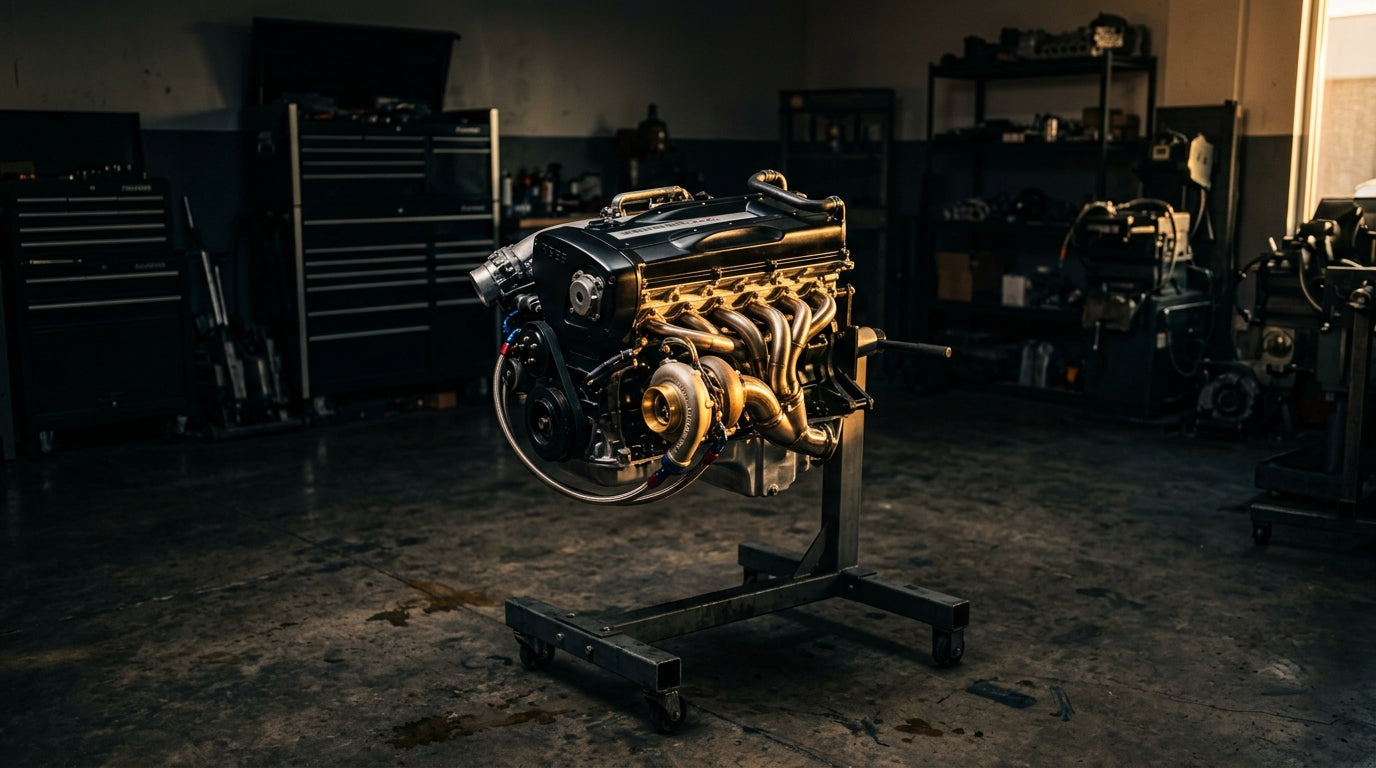
"Engine" means different things to different sellers. A long block is the core assembly: block, heads, cams, and valvetrain. An engine with accessories typically adds the alternator, power steering pump, A/C compressor, intake manifold, exhaust manifold, and starter — but the exact list varies by seller and by listing. Before you buy, confirm in writing exactly which components are included. Missing accessories that you assumed were part of the purchase can add $300–$800 to your project cost when sourced separately, and some accessories specific to JDM-spec engines aren't easily found domestically. Ask for an explicit parts list, then cross-reference it against what your specific fitment requires to make the swap complete. Understanding the full cost is essential — our JDM engine cost guide covers what a realistic budget looks like from purchase through installation.
5. What Are the Warranty Terms, Exactly?
Warranty language matters more than warranty length. A 30-day start-up guarantee covers the engine long enough to confirm it fires — it won't cover a failure discovered at 500 miles during break-in. A 60-day or 6-month warranty backed by a written policy is a different level of protection. Ask specifically what is covered (internal failure, oil seals, head gasket), what is excluded (installation damage, overheating post-installation, modifications), and what the claims process requires. Our warranty terms at JDM New York are fully explained in our JDM engine warranty guide. A seller confident in their quality-inspected inventory will encourage you to read it before you buy.
6. How Was the Engine Shipped and Packaged?
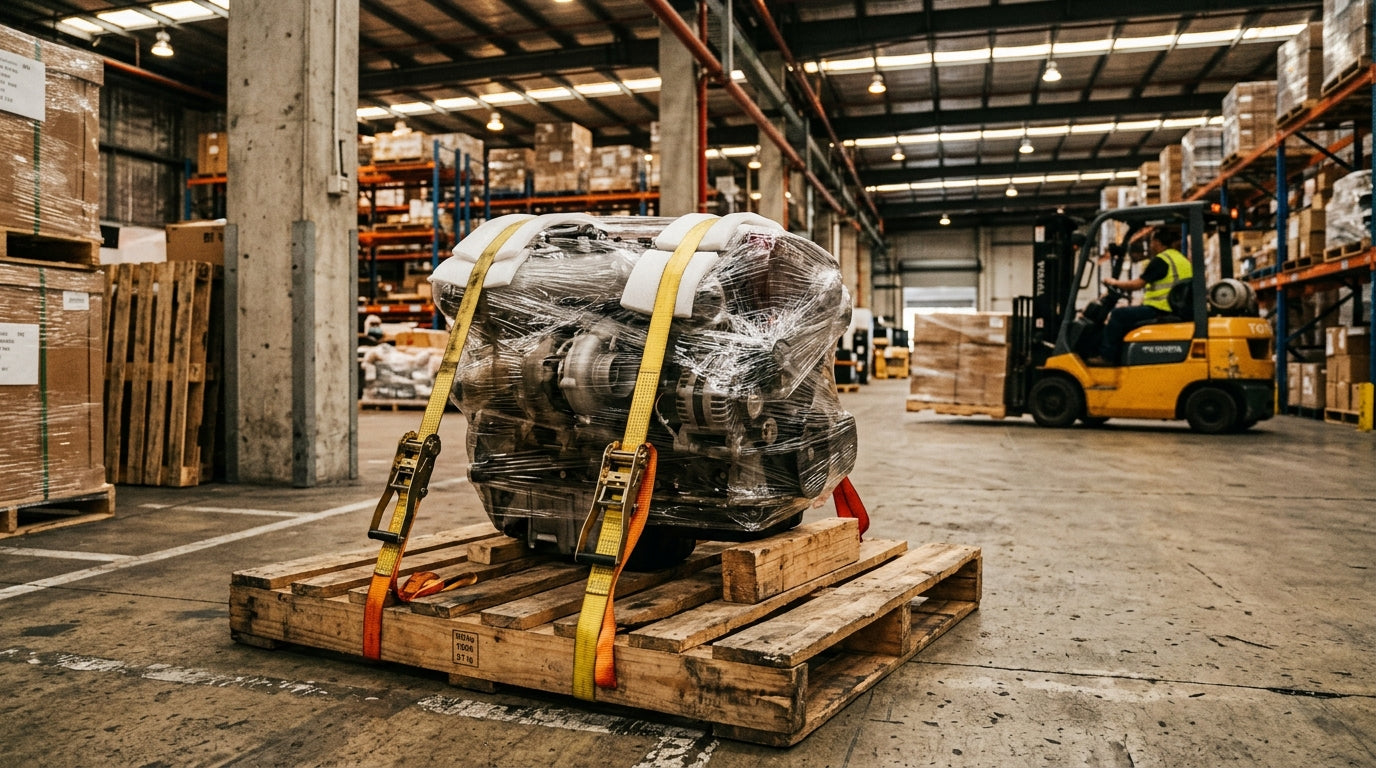
JDM engines ship as LTL (less-than-truckload) freight — they are too heavy for standard parcel carriers. A properly packaged engine arrives on a wooden pallet, crated or securely shrink-wrapped, with the oil ports sealed and external components protected. Before signing the delivery receipt, inspect the crate or pallet for freight damage. Photograph everything — the pallet, the packaging, and the engine itself — before moving it. If there is visible damage, note it on the delivery receipt before the driver leaves. That documentation is what you'll need if a freight claim becomes necessary. Our full process is detailed in our JDM engine shipping guide, including what to expect from order through delivery and what fast nationwide shipping actually means in practice.
7. Does the Engine Match My ECU, Emissions Equipment, and Transmission?
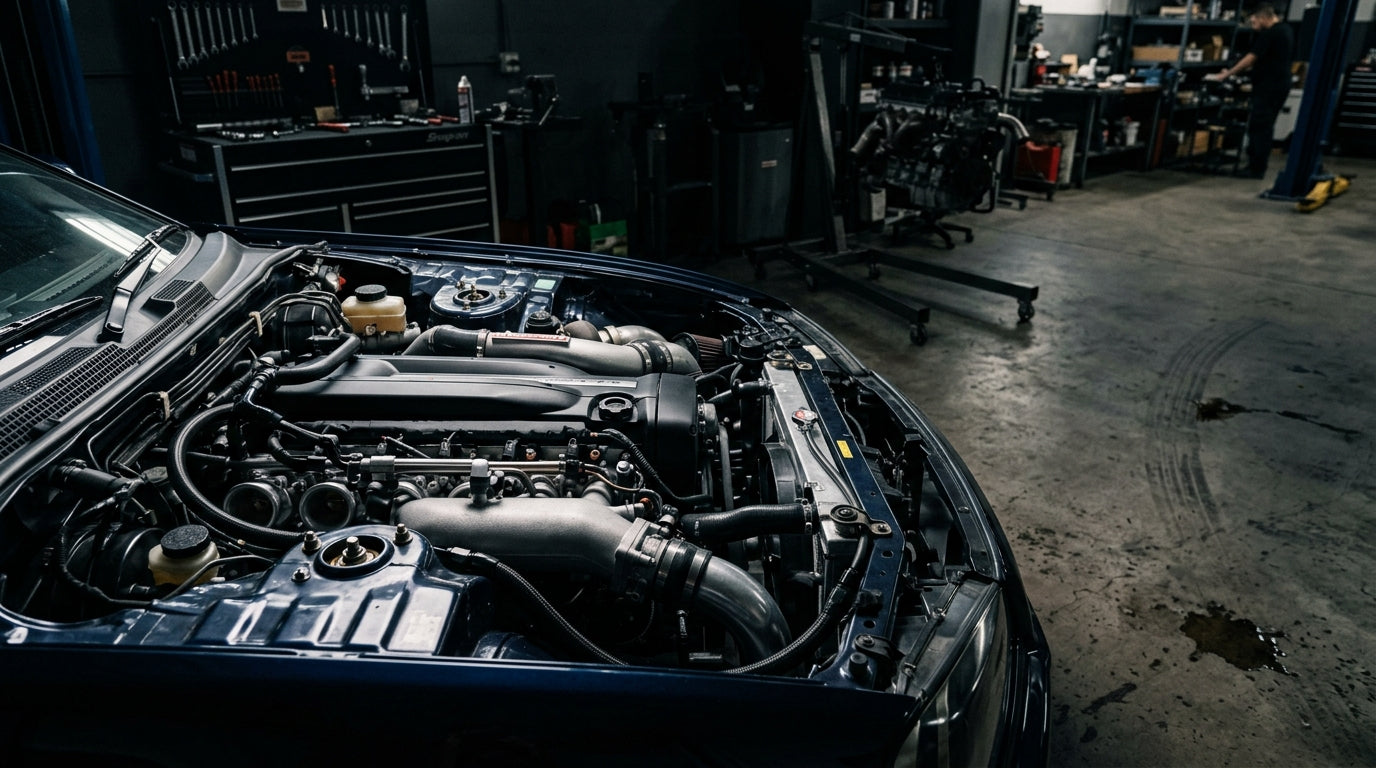
JDM-spec engines are often calibrated differently than USDM versions of the same engine. Fuel maps, idle control logic, and emissions equipment vary by market. Some JDM engines are non-OBD-II compliant, which can trigger check-engine codes or create emissions test failures when installed in a USDM vehicle that expects OBD-II signals. Transmission fitment confirmation depends on whether the bell housing pattern and output shaft match your existing gearbox — a detail that varies even within the same engine family depending on the year and trim. None of these are insurmountable issues, but all of them need to be verified before purchase. Always consult a certified mechanic to confirm fitment for your specific vehicle before committing to a purchase.
8. Has the Head Gasket Been Replaced, or Is There Any Known Repair History?
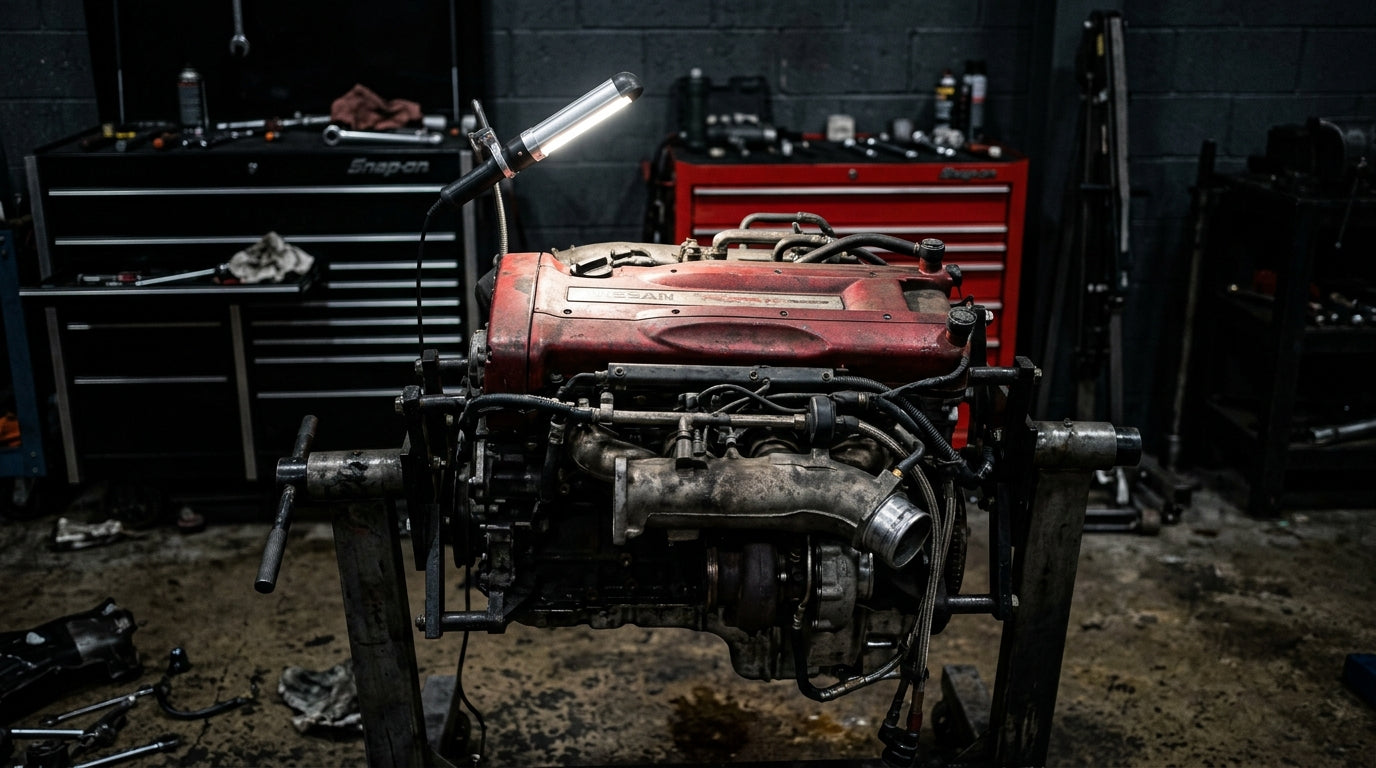
Repair history isn't automatically a disqualifier — a professionally completed head gasket replacement can be a net positive if it was done correctly and is documented. What matters is transparency. Ask whether there is any known repair history on the engine and whether documentation exists. For engines known for head gasket susceptibility at higher miles — the EJ20 and EJ25 Subaru boxer engines and certain high-mileage K-series applications — this question is especially relevant. Checking for oil analysis traces and seal condition on arrival can reveal whether the repair history matches what the seller describes. The absence of documentation isn't a dealbreaker, but it changes what your mechanic should prioritize inspecting when the engine arrives.
9. What's Your Return or Dispute Policy if the Engine Doesn't Run Correctly?
Before installation begins, establish the seller's dispute process in writing. Document everything on arrival: photograph the serial number, the VIN decoding information on the engine tag, the condition of the seals, the oil residue around gaskets, and any external marks. A legitimate seller will have a written return or dispute policy and will specify what documentation they require to initiate a claim. "All sales final" with no written policy means you absorb all the risk. Ask specifically: what proof is needed to initiate a claim, and what is the response timeline? A seller who can answer this clearly has managed these situations before and has a process that works for both parties.
10. Who Do You Recommend for Installation in My Area?
This question serves two purposes: it gives you a practical lead on an installation shop, and it reveals whether the seller is invested in your outcome beyond the transaction. A knowledgeable seller understands which engine families require experienced installation, knows the torque specs and common fitment considerations, and can point you toward finding a shop with experience on that specific engine family. A seller who has no answer — or who discourages you from asking — is a seller whose involvement ends at checkout. Regardless of the seller's answer, always have a certified mechanic confirm fitment and review the engine condition before installation begins. That step protects you regardless of who sold you the engine.
Frequently Asked Questions
How long does it take to get answers to these questions from a reputable seller?
Questions about engine code, warranty terms, parts included, return policy, and shipping method should be answerable immediately or within one business day — that information exists in any organized seller's records. Questions requiring auction sheet or import documentation may take up to two business days. If a seller takes longer than that to answer basic inventory questions, the lag itself tells you something about their record-keeping and operational quality.
What if a seller can't answer most of these questions?
Move on. A seller who cannot provide engine code documentation, mileage sourcing through an auction sheet or import record, a written warranty, and a clear return policy is asking you to absorb all the risk of the transaction. The JDM market has reputable sellers who can meet a basic documentation standard — you don't have to accept one who can't. The price difference between a documented engine and an undocumented one rarely justifies the exposure.
Should I get a pre-purchase inspection on a JDM engine?
The equivalent for an imported engine is having your mechanic inspect it on arrival before installation begins. Have them check the physical condition of the seals, look for oil residue around the gaskets that might indicate previous leaks, verify the engine code matches your documentation, and confirm OBD-II compatibility with your vehicle's emissions system. This step should happen before the engine goes onto the stand, not after it's already bolted in.
What questions should I ask my mechanic before buying?
Ask your mechanic to confirm: (1) the exact engine code required for your specific vehicle trim and year, (2) whether the JDM-spec version is compatible with your car's emissions and OBD-II system, (3) which accessories you will need beyond the engine itself to complete the swap, and (4) their prior experience with that engine family. A mechanic who has installed the same engine before will have a realistic sense of what the full project cost looks like and where the common installation complications arise.
Every engine in JDM New York's inventory is a low-mileage JDM import, hand-selected from Japan, quality inspected, and backed by our warranty with fast nationwide shipping. Browse our full inventory here.