Cart
0
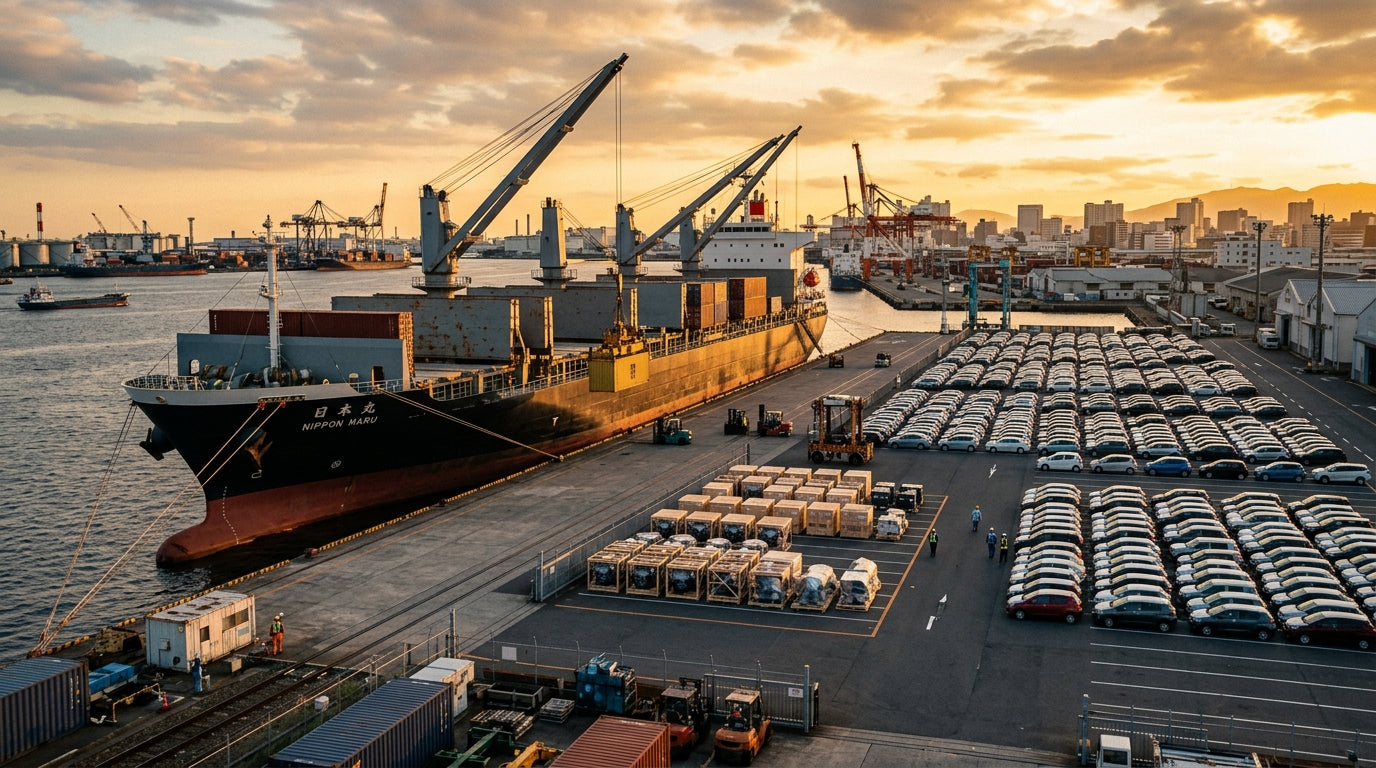
Every JDM engine has a journey behind it — from a Japanese vehicle auction to a dismantling yard to a container ship. Understanding that process helps explain why JDM engines are priced, graded, and documented the way they are. This post is part of our complete guide to JDM engines.
Ready to find your engine? Browse our JDM engine inventory →
Step 1: Japan's vehicle turnover
Japan's mandatory shaken (車検) inspection system gets progressively stricter and more expensive as a vehicle ages. Combined with cultural and economic factors that make older, higher-mileage vehicles less desirable to Japanese buyers than they are in many other markets, this pushes many owners to sell or scrap vehicles well before the engine is anywhere near worn out. Those vehicles typically end up at one of Japan's large vehicle auction houses.
Step 2: Auction and condition grading
At auction, vehicles are inspected and assigned a condition grade using a standardized scale that exporters and dismantlers rely on to make purchasing decisions. Grades commonly run from very high (essentially like-new) down through average condition, with separate notations for vehicles that have had prior accident repair. Higher-graded vehicles are more likely to be exported and sold whole; others are purchased specifically for parts.
Step 3: Dismantling and export preparation
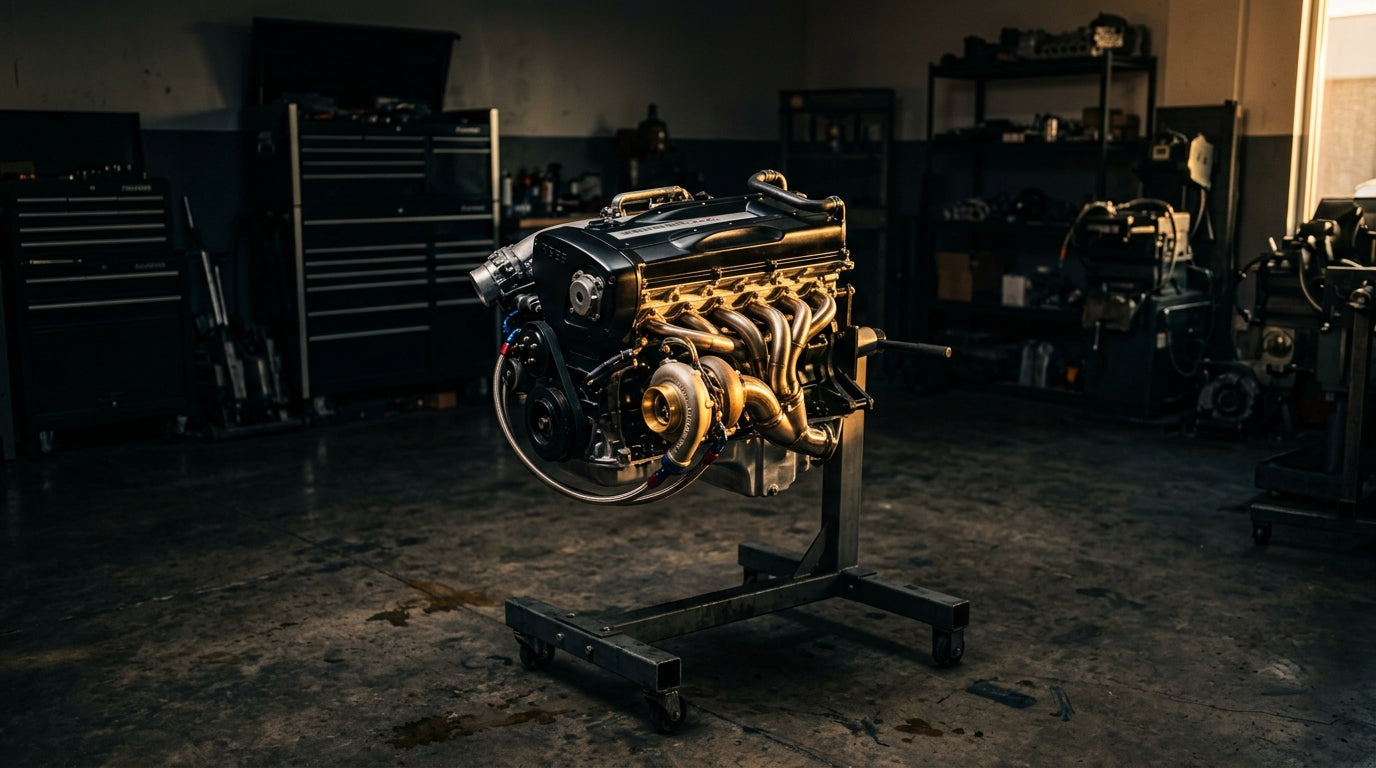
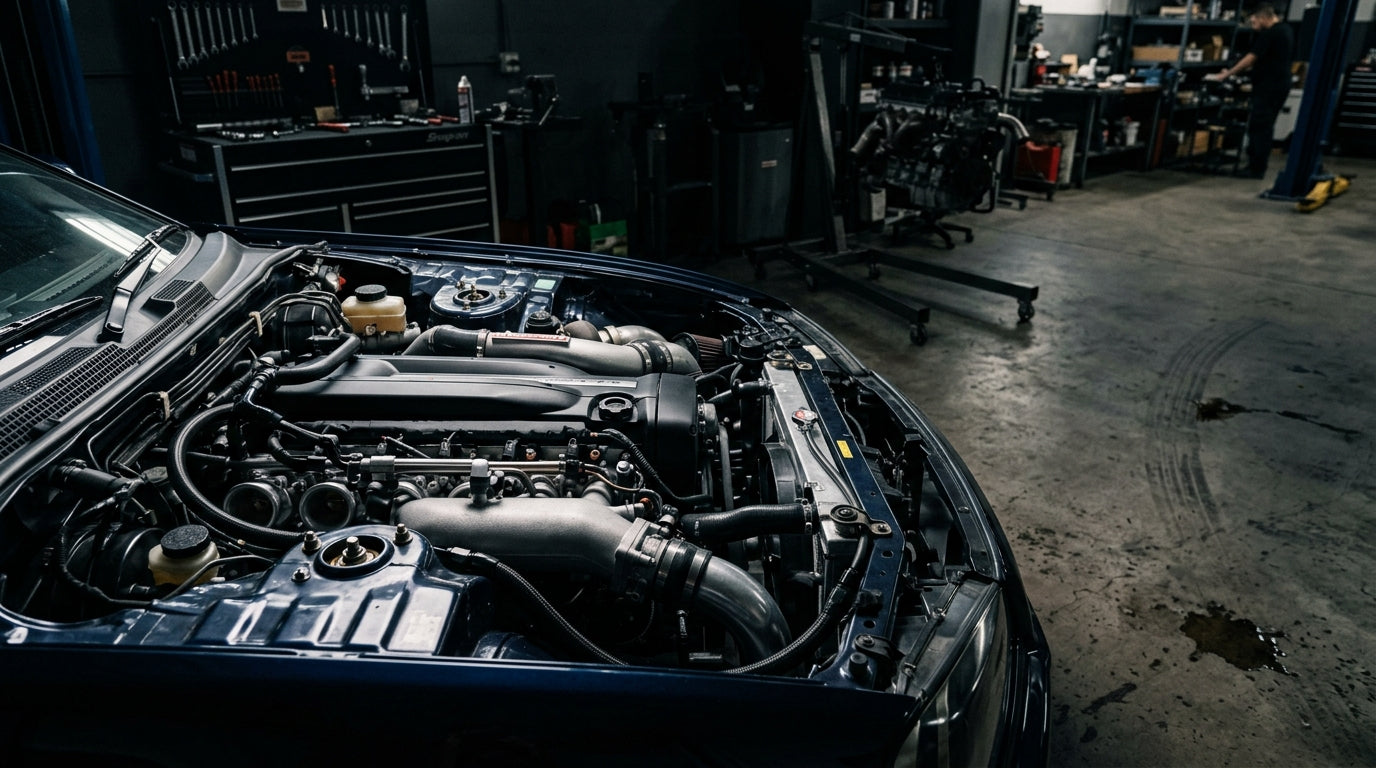
Once a vehicle is designated for parts, the engine is removed — often as a matched set with the transmission, wiring harness, and ECU, since these components are calibrated to work together. The engine is typically tested for basic function (compression, no obvious internal damage) before being prepared for shipment. This is also the stage where documented mileage originates, recorded at the time of removal from the donor vehicle.
Step 4: Import and inspection
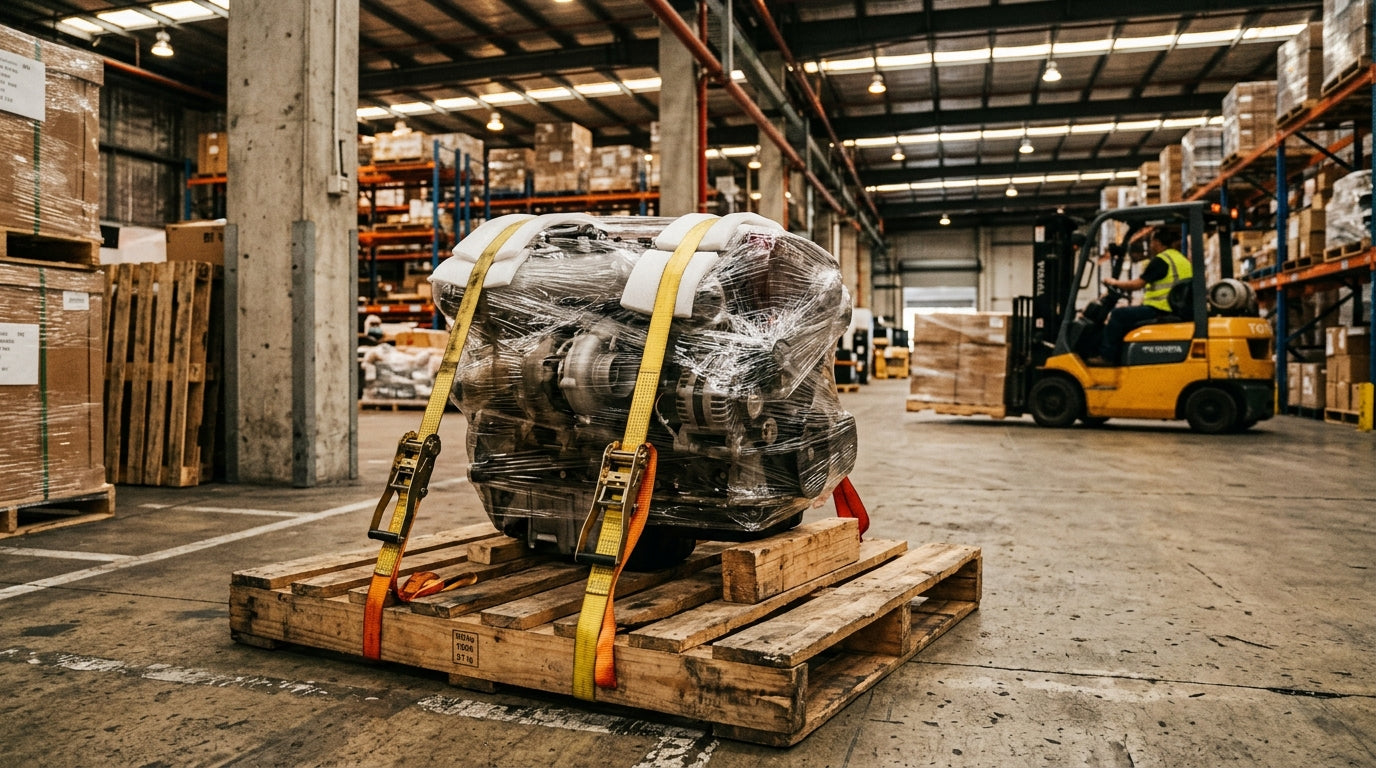
From there, engines are shipped in bulk containers to importers in the U.S., who receive, inspect, and catalog them before distributing to retailers. This is the stage where a buyer can actually see photos or details of the specific unit they're considering, rather than relying on a generic stock listing.
Step 5: Retail and sale
At the retail stage, reputable sellers re-verify condition, document what's included (engine only vs. matched transmission/harness/ECU), and set warranty terms â see our warranty guide to understand what good coverage looks like. This is the point where the questions in our pre-purchase checklist become relevant — you're relying on the seller's diligence at this final stage as much as anything upstream.
How long does the process take?
From auction purchase to a dismantling yard pulling and testing an engine, to export documentation and ocean freight, to import inspection stateside, the full pipeline from a Japanese auction to a U.S. importer's warehouse commonly takes several weeks to a few months, depending on shipping schedules and customs processing. This is why established importers typically maintain inventory on hand rather than sourcing engines to order — it lets a retailer offer fast shipping on an already-imported, already-inspected unit rather than starting the pipeline from scratch for every sale. This pipeline also directly affects pricing â see our JDM engine cost guide for what different sourcing stages mean for retail price.
What "inspected" should actually mean
Not every point in this pipeline involves the same depth of inspection. A basic compression check or visual inspection at the dismantling stage is different from a thorough retail-stage inspection that documents what's included, checks for obvious damage, and confirms the code matches what's advertised. When comparing sellers, it's fair to ask specifically what inspection happened at their end, not just take "inspected" at face value.
What this pipeline means for you as a buyer
Because every engine has gone through a real, traceable chain of custody — auction grade, export documentation, import inspection — asking a seller how and where an engine was sourced is a completely fair question. Vague or evasive answers about sourcing are a legitimate red flag; see our full list in 10 questions to ask before buying a used JDM engine.
Frequently asked questions
Does a higher auction grade mean a better engine?
Generally, yes — auction grades reflect overall vehicle condition, which correlates with how well the car (and by extension the engine) was maintained. It's not a guarantee, but it's a meaningful signal.
Is engine mileage verified during this process?
Mileage is typically documented at the time of removal from the donor vehicle, based on the odometer reading. See our companion piece on what "low-mileage" really means for more on how to think about these figures.
Why are engine, transmission, and ECU often sold together?
Because they're calibrated as a matched set from the factory. Mixing an ECU from one unit with a harness from another can cause compatibility issues, so many sellers keep the original matched set together through the export and import process.
Buying with confidence
At JDM New York, every engine is hand-selected in Japan and backed by our warranty, with fast nationwide shipping. Browse our JDM engine inventory →. If reliability is your top priority, see our best JDM engines for reliability guide.