Cart
0
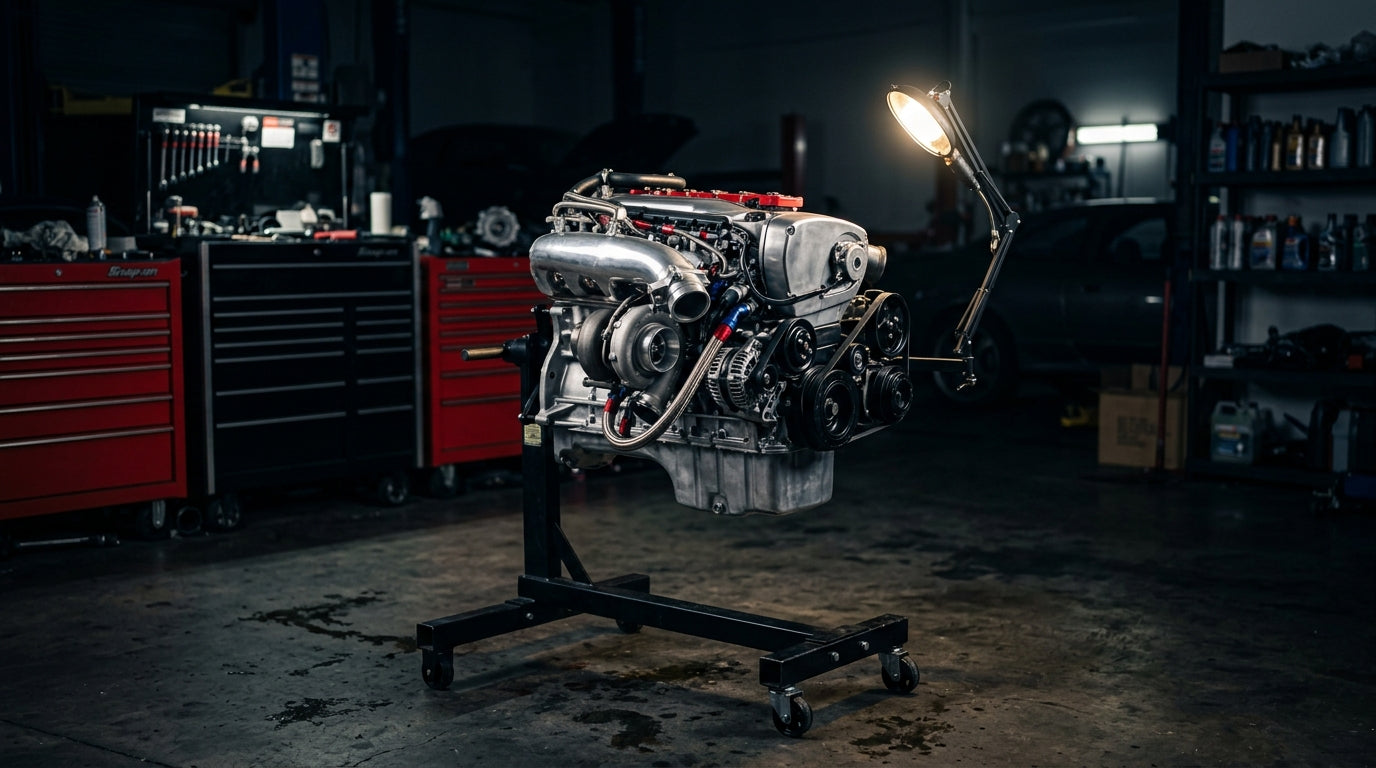
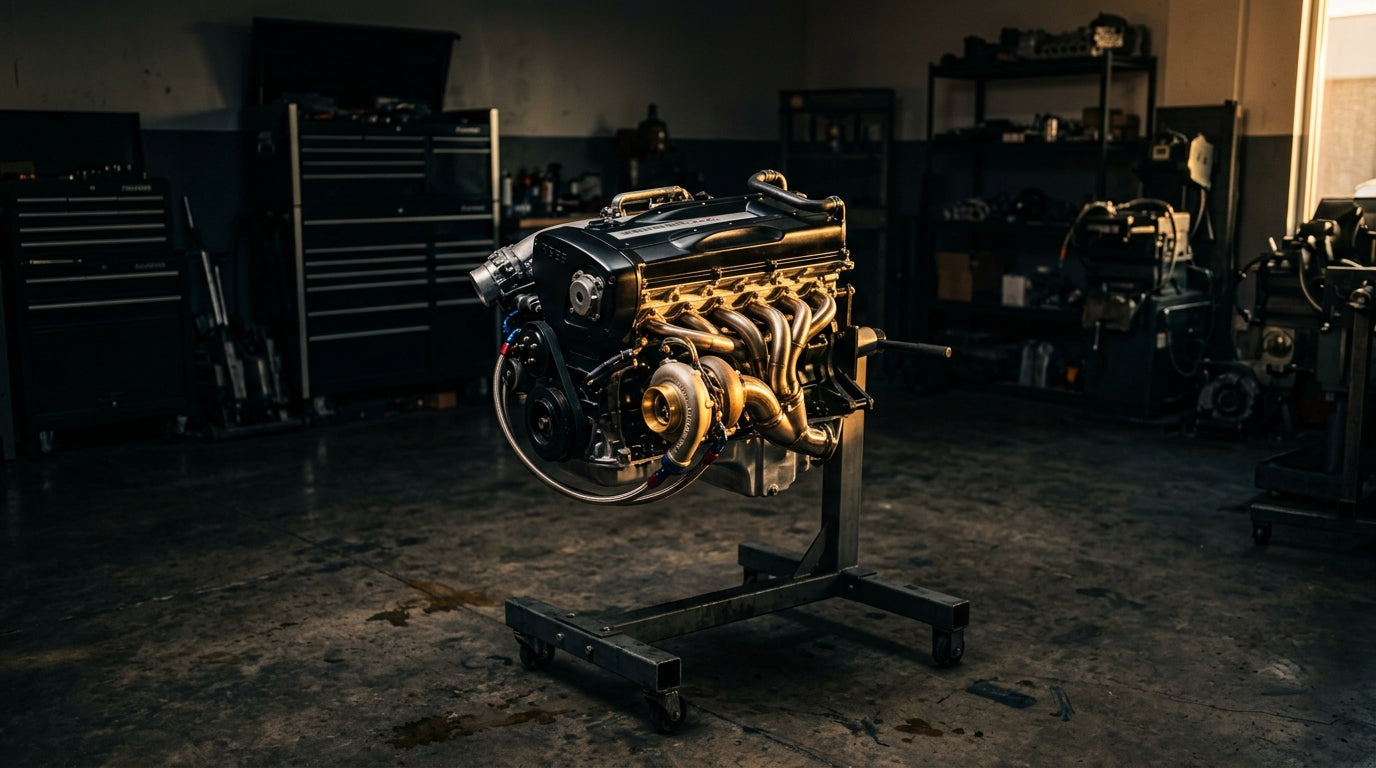
With dozens of engine codes, generations, and transmission types available, picking the right JDM engine can feel overwhelming. Here's a practical, step-by-step way to narrow it down. This post is part of our complete guide to JDM engines.
Ready to find the right engine? Browse our JDM engine inventory →
Step 1: Confirm the exact engine code your car needs
Start with your chassis and factory engine code, not just the model name — many models were sold with more than one engine over their production run, and even within one generation, trim level can determine the factory code. If you're not sure how to read a code like K20A or 2JZ-GE, see our guide to JDM engine codes explained.
Step 2: Decide between a factory-spec replacement and a swap
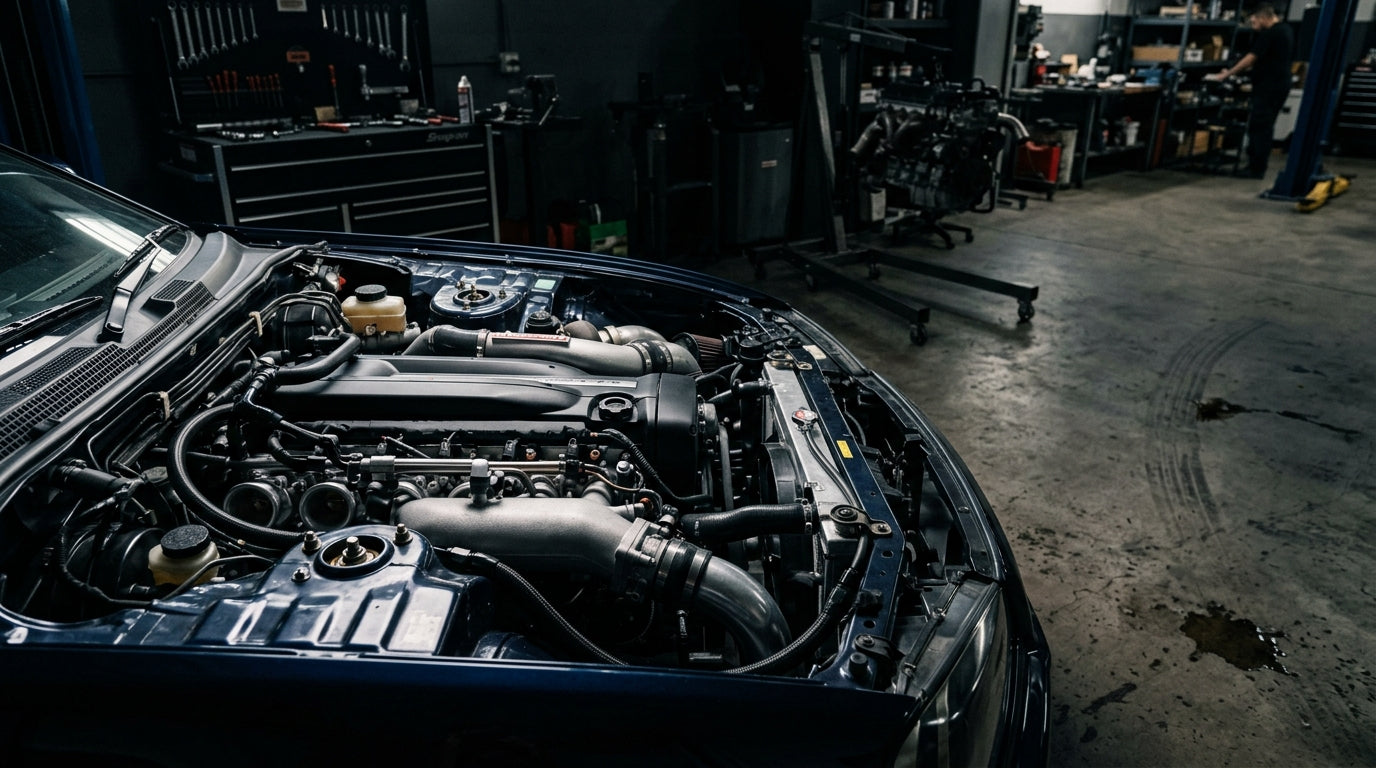
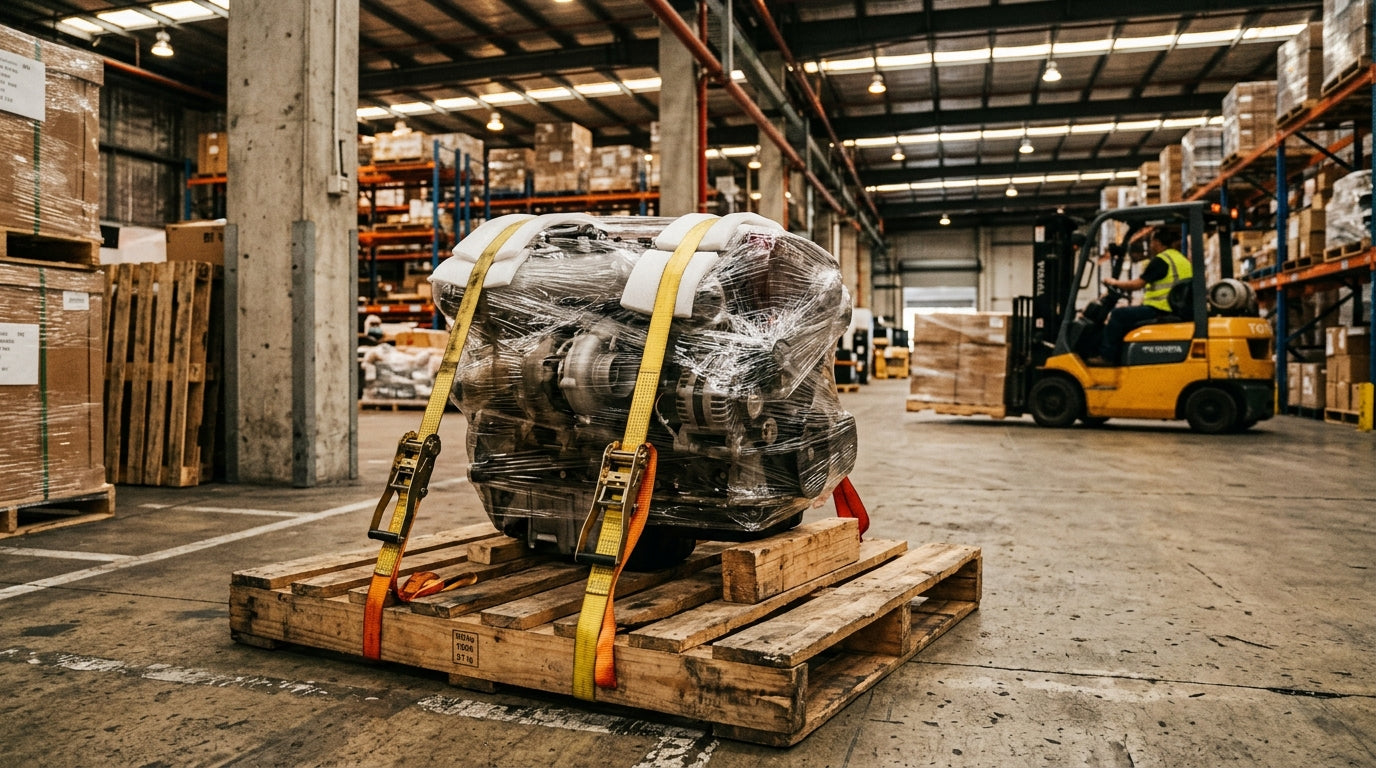
If you're replacing a worn-out factory engine, you want the exact code (or a documented direct-fit equivalent) your car originally came with — this keeps wiring, mounts, and ECU compatibility straightforward. Before shopping, it helps to understand how JDM engines are sourced from Japan â knowing the supply chain helps you evaluate sellers. If you're doing a performance swap into a different chassis, you'll need to research compatibility well beyond just the engine itself: mounts, wiring harness routing, ECU/immobilizer pairing, and driveline (axles, driveshaft) all need to line up, and this research is usually specific to your exact swap combination.
Step 3: Check manual vs. automatic
Many JDM engines are pulled as part of a matched engine/transmission set. If your project depends on a specific transmission type — say, you want to convert an automatic car to manual, or need to match an existing manual drivetrain — confirm what's actually included in the listing before you buy. It's not always the same for every unit of the same engine code, since donor vehicles varied in trim.
Step 4: Decide what should be included in your purchase
- Bare/long block only — lowest cost, but you'll need to source your own wiring harness, ECU, and accessories, and confirm they're compatible.
- Engine + transmission — useful if you're also replacing the transmission or need a matched drivetrain.
- Complete swap (engine, transmission, harness, ECU) — the most straightforward option for most swaps, since the components are factory-matched.
Step 5: Compare mileage and documentation, not just price
Lower mileage is a genuine advantage of JDM engines, but it's worth understanding why that's true and what to look for in a listing. See our post on what "low-mileage" really means.
Step 6: Understand what you're actually paying for
Price varies a lot by code, rarity, and what's included in the listing. Our JDM engine cost guide breaks down what drives pricing, including real current price ranges by category, so you can tell a fair deal from an inflated one.
Step 7: Ask the right questions before you commit
Use our 10-question pre-purchase checklist to vet any engine listing. A reputable seller will have clear answers to all of them.
Step 8: Check warranty terms
A seller's warranty terms tell you a lot about how confident they are in what they're selling. Read what a JDM engine warranty should cover before you commit.
Choosing for reliability
If long-term reliability is your primary goal, our best JDM engines for reliability guide ranks top picks by application â from daily drivers to performance builds.
Signs your current engine may need replacing
If you're not sure whether a swap is actually necessary, common signals include persistent low compression across cylinders, excessive oil consumption without an obvious external leak, visible metal shavings in the oil, knocking noises from deep within the engine (not accessory noise), or a failed head gasket on an engine that's already had significant prior repair work. A qualified mechanic's diagnosis is worth the cost before committing to a full engine purchase.
Frequently asked questions
Can I use a different generation of the same engine code?
Sometimes, but not always — manufacturers frequently made running changes within a single code designation. Confirm compatibility for your specific model year before assuming interchangeability.
Do I need a tuner after installing a JDM engine?
For a factory-spec, like-for-like replacement using the matched ECU, typically no. For cross-chassis swaps or mixing components from different source vehicles, a tune is often necessary to resolve driveability issues.
Shop by model or engine code
Browse our full JDM engine inventory →, including popular models like Subaru WRX & STI, Honda CR-V, and Acura MDX.